
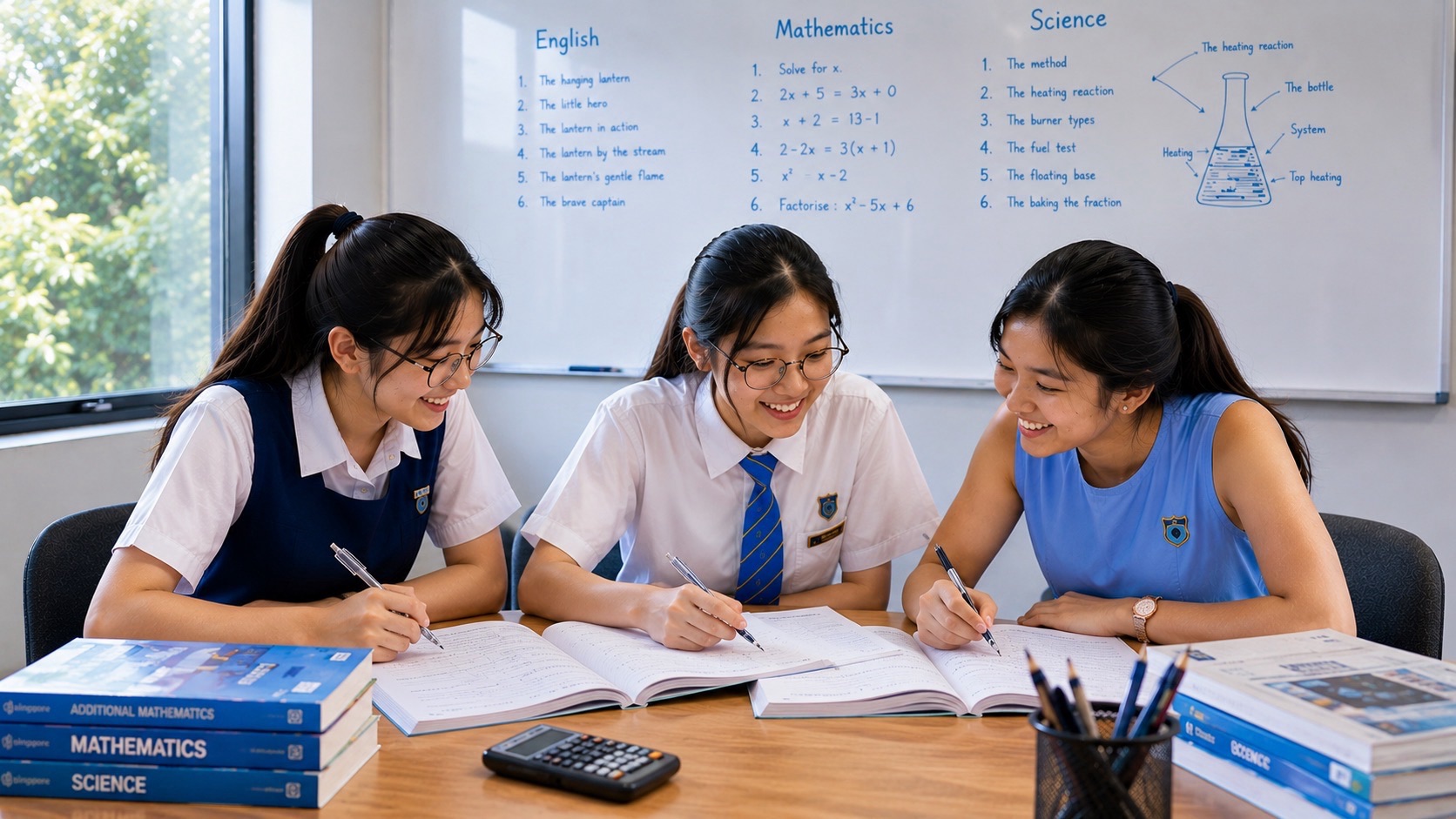
Secondary English Tutorials Punggol keeps its original 2019 title, but this page is rebuilt for families searching for Secondary English tutorials in Punggol, Sec 1 Sec 2 Sec 3 Sec 4 English tuition, small-group English tutorials, comprehension, writing, grammar, vocabulary, oral communication, summary and exam preparation. This page owns one specific learning job: the anatomy of a secondary English tutorial lesson.
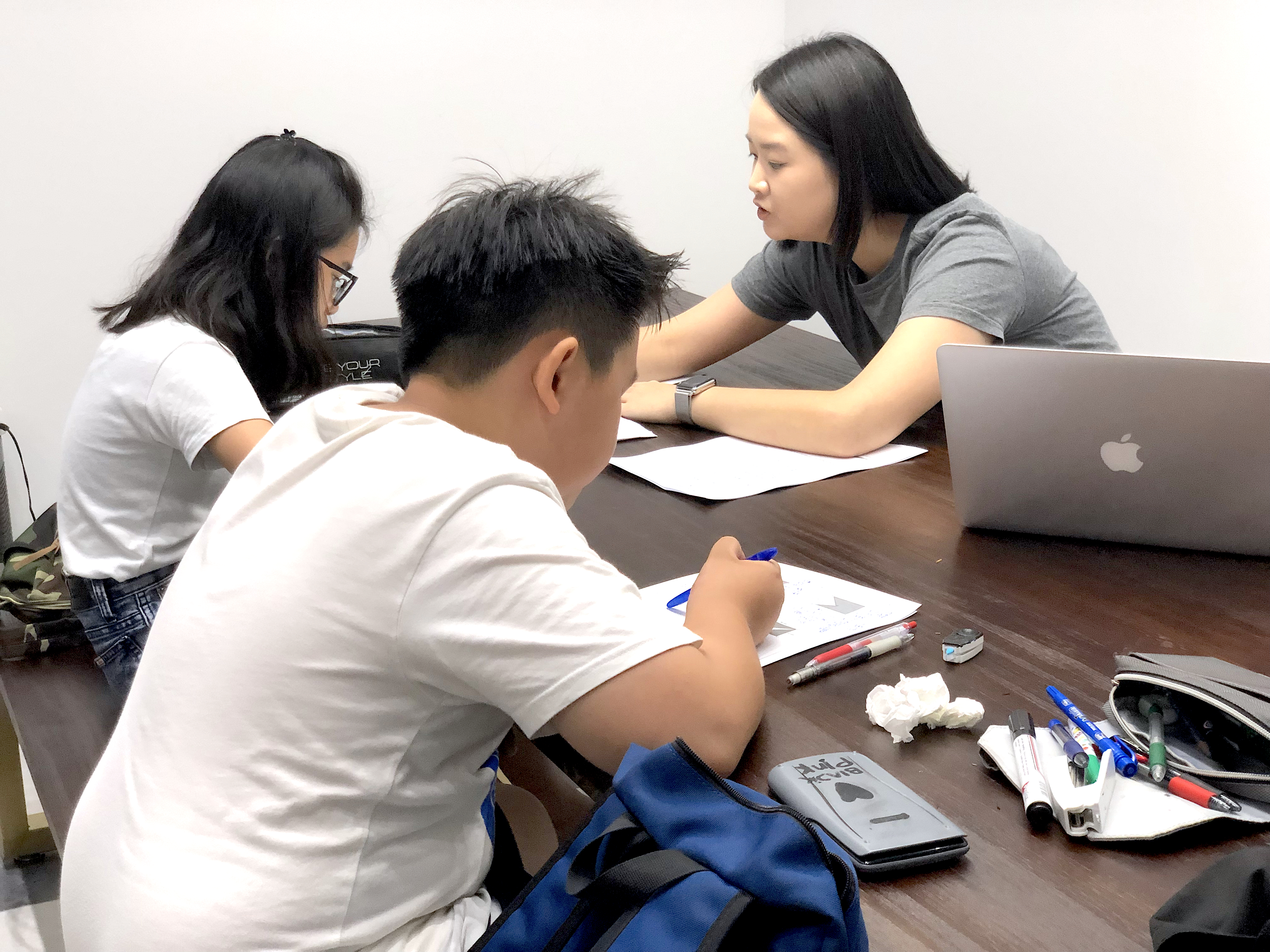
A strong Secondary English tutorial in Punggol should not be defined by how many worksheets fit into ninety minutes. The lesson should have a clear learning engine: cold attempt, diagnosis, explicit teaching, guided retry, peer comparison where useful, prompt fading, fresh independent transfer and delayed retrieval. Current local tuition pages often advertise small classes, school support, writing, comprehension and exam preparation; the more important quality question is what actually happens inside the tutorial when a student gets something wrong.
This article therefore explains the tutorial runtime rather than a year-level syllabus. The same lesson architecture can be adapted for Secondary 1 transition, Secondary 2 self-revision, Secondary 3 upper-secondary reasoning and Secondary 4 examination execution. The content changes; the learning loop remains: make the hidden decision visible, practise it, remove support and prove that it survives on new material.
The anatomy of a strong tutorial
| Phase | Purpose | Evidence |
| Cold attempt | See unaided reasoning | Authentic baseline |
| Diagnosis | Find first weak link | Specific mechanism |
| Explicit teaching | Make decision visible | Student can explain rule |
| Guided retry | Build successful repetition | Corrected process |
| Comparison | See alternative routes | Clearer criteria |
| Prompt fading | Reduce external support | More self-initiation |
| Fresh transfer | Test ownership | New-task success |
| Delayed retrieval | Test durability | Method survives time gap |
Why the cold attempt matters
If the tutor explains the method before the student tries, the lesson loses diagnostic information. A cold attempt reveals what the student notices, what they assume, where the process breaks and how much help is already necessary.
Cold does not mean cruel. The task should be appropriate enough to reveal reasoning without creating pointless failure.
Diagnose the first weak link
A wrong answer may come from task interpretation, evidence selection, inference, grammar, vocabulary, paragraph planning or timing. Fixing the final answer without finding the first weak link can produce temporary success while the same error returns next week.
The tutor should name the mechanism in language the student can understand and later retrieve.
Explicit teaching should be short and precise
A good explanation isolates the key decision. For inference, it may be evidence → meaning → answer. For writing, it may be purpose → paragraph job → development. For grammar, it may be subject → verb → agreement.
The explanation should be long enough to make the mechanism visible, then return control to the student.
Guided retry
The student should immediately use the method while the explanation is still accessible. The tutor can ask one or two questions that steer attention without completing the task.
The aim is successful practice with diminishing support, not a perfect tutor-generated response.
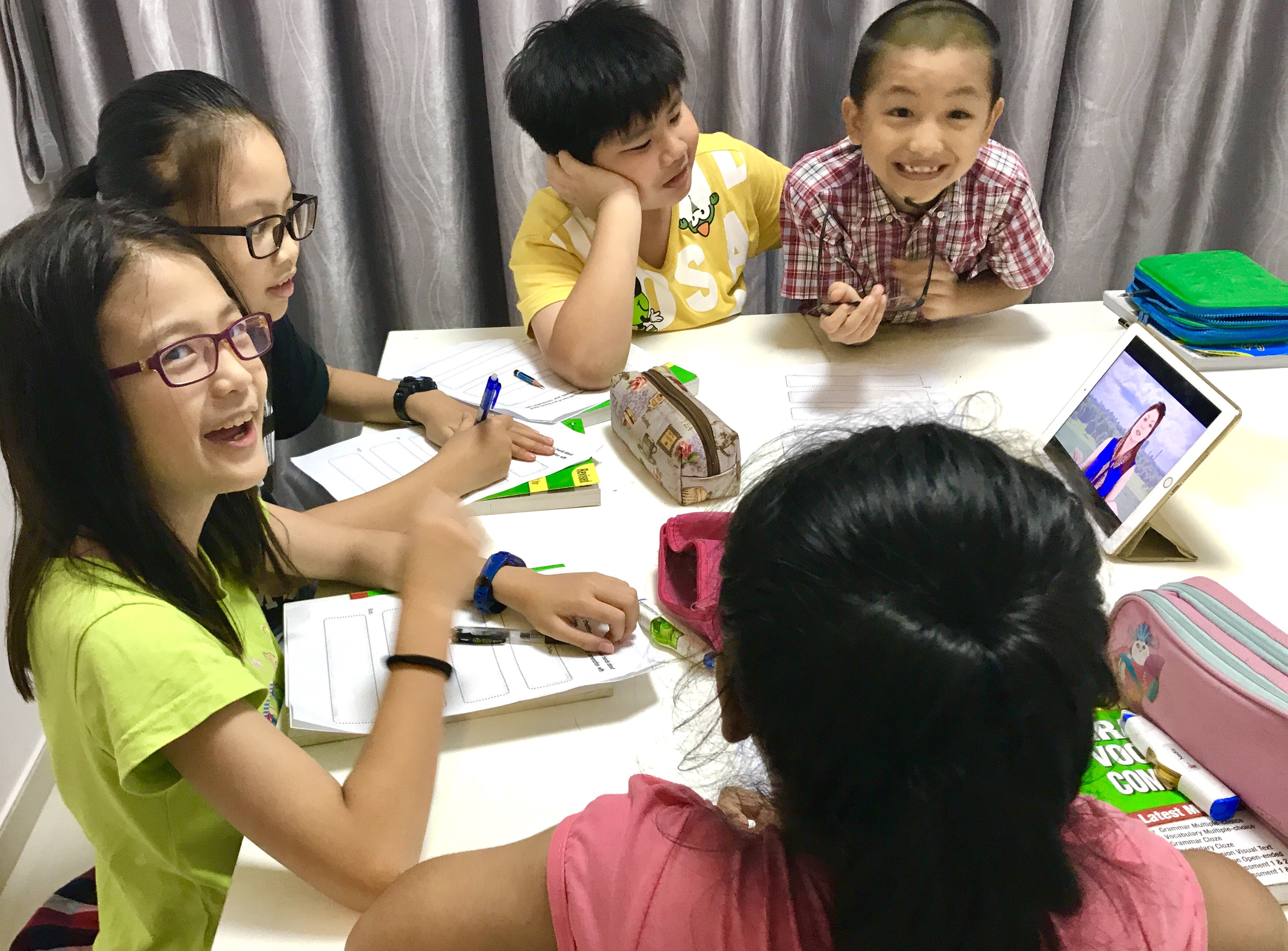
Peer comparison in a small group
If several students have attempted independently, comparing routes can be powerful. One student may select better evidence, another may phrase the answer more precisely, another may notice audience or tone.
The tutor turns comparison into criteria rather than competition: why is this answer stronger, and which feature can be reused?
Prompt fading
Support should have an expiry date. A direct prompt becomes a lighter cue, then a self-question, then silence. If the tutor uses the same reminder every week, the prompt has become part of the student’s process rather than a scaffold being removed.
Prompt count is therefore a useful progress metric alongside marks.
Fresh transfer
The lesson should not end on the corrected original task. A fresh passage, prompt, sentence or oral topic tests whether the student can reconstruct the method without relying on memory of the answer.
Fresh transfer is one of the strongest pieces of evidence that teaching changed the learner rather than the worksheet.
Delayed retrieval
The next lesson should reopen selected mechanisms after a time gap. The student recalls the strategy before looking at notes and applies it again.
Retrieval is intentionally harder than rereading, which is precisely why it provides better evidence of durable access.
Comprehension tutorial example
A student over-infers a character’s motive. The cold answer is collected, the tutor asks for the textual clue, the unsupported part is identified, and the rule becomes “strongest claim supported by evidence, no stronger”.
The guided retry uses a second question; the fresh transfer uses a new passage. The following week begins with another inference before the rule is shown.
Writing tutorial example
A student’s paragraph repeats the same claim three times. The tutor names paragraph purpose, shows a development menu—reason, example, consequence, comparison or limitation—and asks the student to choose one move.
The fresh transfer is a new paragraph on another topic using a different development move so the student learns the principle rather than one paragraph.
Grammar tutorial example
A student completes agreement drills correctly but repeats the error in writing. The tutor takes a real sentence from the paragraph, makes the subject-verb relationship visible and has the student correct it.
The fresh transfer hides the same structure inside a new paragraph where the student must self-edit without being told where the error appears.
Vocabulary tutorial example
A student uses an advanced word awkwardly. Instead of simply replacing it, the tutor compares collocation, connotation and register, then practises natural phrase partners.
The delayed retrieval asks the student to use the word or a near-synonym on an unrelated topic the next week.
Oral tutorial example
A student gives a fluent but repetitive response. The tutor marks where the idea stops developing and introduces one new move: example or consequence.
The student records again, then answers a different prompt without the tutor announcing which development move to use.
Listening tutorial example
A student chooses the first option that repeats a keyword from the audio. The tutor reconstructs the speaker’s meaning, shows the later correction or qualification, and labels the error as a final-state or keyword trap.
Fresh transfer uses audio where the correct answer paraphrases rather than repeats the speaker’s wording.
Timed tutorial example
A Secondary 4 student runs out of time. Instead of immediately assigning another full paper, the tutor times topic choice, planning, one paragraph and final review separately.
The bottleneck becomes visible, and practice is targeted at the slow decision before the parts are recombined.
How tutorial architecture changes by level
Sec 1 may need more modelling and explicit labels. Sec 2 should include more self-prediction and revision. Sec 3 should add more fresh surfaces and light timing. Sec 4 should emphasise integration, recovery and selective repair.
The tutorial engine is consistent, but scaffolding and performance demands change with the learner.
When homework enters the tutorial
School homework can be a valuable cold sample, but it should not consume the entire session. Use one error to diagnose the mechanism, teach it, then move to fresh material.
If the student only fixes the homework answer, the lesson solved yesterday’s problem without preparing tomorrow’s.
When a model answer is useful
Models are useful after the student has attempted and the tutor has identified what to notice. The model can then show paragraph function, evidence scope, tone or language choice.
The student should later reproduce the principle without copying the wording.
What a good ending to a lesson looks like
The final minutes should not be a rush to finish another page. The student should complete a fresh independent task, state the strategy used and identify where it may appear again.
This closes the loop and gives the next lesson something concrete to retrieve.
What parents should ask about the lesson
Rather than asking how many pages were completed, ask what mechanism was taught, whether the student could use it on something new and how much prompting was needed.
These questions align parent expectations with learning quality rather than visible activity.
How to use ninety minutes well
A ninety-minute lesson does not need to devote equal time to every English component. It should follow the current high-value target. A comprehension mechanism may need twenty focused minutes; a writing paragraph may need thirty; oral may be maintained briefly.
The tutor should protect enough time for fresh transfer at the end. A lesson that consumes the whole period on explanation and correction leaves no evidence that the student can act independently.
What counts as enough practice
Repetition should continue until the student can perform the decision with improving accuracy and decreasing prompts, not until a fixed page count is reached. Five carefully chosen items can be more useful than thirty near-identical ones.
Practice becomes richer when the surface changes while the underlying mechanism remains the same.
How to close the feedback loop with school
When a school script arrives, the tutor can compare it with the mechanisms already being tracked. If an old target reappears, ask whether retrieval failed, time pressure changed the process or the school task was different.
This turns school feedback into evidence about durability rather than a new isolated emergency.
Tutorial lesson failure modes and repairs
Tutor explains before cold attempt
What it looks like: Student work looks polished but baseline is unknown. Why it happens: Instruction has hidden the original reasoning. Repair: Protect a short unaided first attempt. Transfer check: Use a new task where the tutor waits longer before speaking. The final step is to remove the original cue and revisit the mechanism after a delay. A tutorial is doing its job when the student can reconstruct the useful decision without the tutor rebuilding it each time.
Diagnosis says careless
What it looks like: The label does not describe a teachable behaviour. Why it happens: The error mechanism was not identified. Repair: Name the exact behaviour: rushed command, wrong referent, no scope check. Transfer check: Build one cue for that behaviour and re-test. The final step is to remove the original cue and revisit the mechanism after a delay. A tutorial is doing its job when the student can reconstruct the useful decision without the tutor rebuilding it each time.
Explanation becomes a lecture
What it looks like: Student listens for ten minutes and practises little. Why it happens: Teaching time has replaced student production. Repair: Reduce explanation to the key decision and return to practice. Transfer check: Check whether the student can teach the rule back. The final step is to remove the original cue and revisit the mechanism after a delay. A tutorial is doing its job when the student can reconstruct the useful decision without the tutor rebuilding it each time.
Guided retry becomes tutor answer
What it looks like: The student follows prompts step by step but contributes little. Why it happens: Scaffolding is too heavy. Repair: Ask one question, then wait for the student to generate the next move. Transfer check: Use a fresh retry with one fewer prompt. The final step is to remove the original cue and revisit the mechanism after a delay. A tutorial is doing its job when the student can reconstruct the useful decision without the tutor rebuilding it each time.
Peer discussion starts too early
What it looks like: Students change answers before committing. Why it happens: Group cues hide individual thinking. Repair: Require silent written attempts first. Transfer check: Use another task where every student commits before discussion. The final step is to remove the original cue and revisit the mechanism after a delay. A tutorial is doing its job when the student can reconstruct the useful decision without the tutor rebuilding it each time.
Peer comparison becomes copying
What it looks like: Final answers become identical. Why it happens: Surface wording is valued over reasoning. Repair: Compare evidence route or paragraph job rather than exact phrases. Transfer check: Use a fresh solo item afterwards. The final step is to remove the original cue and revisit the mechanism after a delay. A tutorial is doing its job when the student can reconstruct the useful decision without the tutor rebuilding it each time.
Fast student dominates
What it looks like: Others stop thinking once an answer is heard. Why it happens: Speed is mistaken for mastery. Repair: Rotate first-speaker roles and use private planning. Transfer check: Have the fastest student speak last on a new item. The final step is to remove the original cue and revisit the mechanism after a delay. A tutorial is doing its job when the student can reconstruct the useful decision without the tutor rebuilding it each time.
Quiet student disappears
What it looks like: The student understands but rarely contributes. Why it happens: Turn-taking rewards spontaneity. Repair: Use prepared low-risk roles and predictable turns. Transfer check: Make the student first speaker on one planned response. The final step is to remove the original cue and revisit the mechanism after a delay. A tutorial is doing its job when the student can reconstruct the useful decision without the tutor rebuilding it each time.
Tutor feedback covers everything
What it looks like: Student receives many corrections and remembers none. Why it happens: Priorities are unclear. Repair: Choose the first high-value mechanism. Transfer check: Apply that one repair on fresh work before adding another. The final step is to remove the original cue and revisit the mechanism after a delay. A tutorial is doing its job when the student can reconstruct the useful decision without the tutor rebuilding it each time.
Prompt never fades
What it looks like: The same reminder appears every lesson. Why it happens: Scaffold has become permanent. Repair: Track prompt frequency and weaken the cue deliberately. Transfer check: Run a new task where the tutor remains silent. The final step is to remove the original cue and revisit the mechanism after a delay. A tutorial is doing its job when the student can reconstruct the useful decision without the tutor rebuilding it each time.
Fresh transfer is skipped
What it looks like: Lesson ends after the original task is corrected. Why it happens: Time management favours completion over ownership. Repair: Reserve a final unseen item. Transfer check: Compare corrected-task success with fresh-task success. The final step is to remove the original cue and revisit the mechanism after a delay. A tutorial is doing its job when the student can reconstruct the useful decision without the tutor rebuilding it each time.
Delayed retrieval is skipped
What it looks like: Every lesson begins with new content. Why it happens: Old learning is assumed secure. Repair: Start with one no-notes recall item. Transfer check: Apply the recalled method before new teaching. The final step is to remove the original cue and revisit the mechanism after a delay. A tutorial is doing its job when the student can reconstruct the useful decision without the tutor rebuilding it each time.
Model answer is shown first
What it looks like: Student writing becomes imitation. Why it happens: The model defines the route before thinking begins. Repair: Delay the model until after cold attempt and diagnosis. Transfer check: Plan a fresh task without seeing any model. The final step is to remove the original cue and revisit the mechanism after a delay. A tutorial is doing its job when the student can reconstruct the useful decision without the tutor rebuilding it each time.
Homework rescue consumes lesson
What it looks like: School tasks are completed but mechanisms repeat. Why it happens: Urgency replaces curriculum. Repair: Use homework as diagnostic evidence only long enough to locate the weakness. Transfer check: Move to fresh targeted practice before lesson ends. The final step is to remove the original cue and revisit the mechanism after a delay. A tutorial is doing its job when the student can reconstruct the useful decision without the tutor rebuilding it each time.
Comprehension correction gives answer only
What it looks like: Student knows what is correct but not why. Why it happens: Evidence-to-answer process remains hidden. Repair: Reconstruct question, evidence and scope. Transfer check: Use another question requiring the same reasoning. The final step is to remove the original cue and revisit the mechanism after a delay. A tutorial is doing its job when the student can reconstruct the useful decision without the tutor rebuilding it each time.
Writing feedback rewrites paragraph
What it looks like: Student’s final version is excellent but dependent. Why it happens: Tutor language replaced student decision-making. Repair: Name the paragraph problem and let the student produce alternatives. Transfer check: Use a new prompt and check independent planning. The final step is to remove the original cue and revisit the mechanism after a delay. A tutorial is doing its job when the student can reconstruct the useful decision without the tutor rebuilding it each time.
Grammar correction stays isolated
What it looks like: Student fixes worksheet items but writing remains messy. Why it happens: Transfer is missing. Repair: Return the rule to authentic writing. Transfer check: Hide the same error family inside a fresh paragraph. The final step is to remove the original cue and revisit the mechanism after a delay. A tutorial is doing its job when the student can reconstruct the useful decision without the tutor rebuilding it each time.
Vocabulary correction becomes synonym swap
What it looks like: One word is replaced without understanding usage. Why it happens: Collocation and register are ignored. Repair: Compare natural phrase partners and nuance. Transfer check: Use the word later on an unrelated topic. The final step is to remove the original cue and revisit the mechanism after a delay. A tutorial is doing its job when the student can reconstruct the useful decision without the tutor rebuilding it each time.
Oral correction interrupts fluency
What it looks like: Student cannot finish a thought. Why it happens: Feedback timing is poor. Repair: Let one full response finish, then give one priority target. Transfer check: Record again and compare development. The final step is to remove the original cue and revisit the mechanism after a delay. A tutorial is doing its job when the student can reconstruct the useful decision without the tutor rebuilding it each time.
Listening review only gives correct answer
What it looks like: Student cannot explain distractor. Why it happens: Error type is unnamed. Repair: Classify keyword, speaker, detail or final-state trap. Transfer check: Use new audio designed around the same trap. The final step is to remove the original cue and revisit the mechanism after a delay. A tutorial is doing its job when the student can reconstruct the useful decision without the tutor rebuilding it each time.
Timed practice repeats failure
What it looks like: Student keeps running out of time on full papers. Why it happens: The slow decision is not isolated. Repair: Time sub-processes separately. Transfer check: Recombine only after the bottleneck improves. The final step is to remove the original cue and revisit the mechanism after a delay. A tutorial is doing its job when the student can reconstruct the useful decision without the tutor rebuilding it each time.
Student cannot explain lesson takeaway
What it looks like: Work was completed but mechanism is unclear. Why it happens: Metacognitive closure is missing. Repair: End with one strategy statement and one future-use example. Transfer check: Retrieve that statement at the next lesson. The final step is to remove the original cue and revisit the mechanism after a delay. A tutorial is doing its job when the student can reconstruct the useful decision without the tutor rebuilding it each time.
Too many active targets
What it looks like: Every weakness is addressed each week. Why it happens: Attention is diluted. Repair: Keep one main repair and limited maintenance. Transfer check: Retire stable targets after fresh success. The final step is to remove the original cue and revisit the mechanism after a delay. A tutorial is doing its job when the student can reconstruct the useful decision without the tutor rebuilding it each time.
No exit criteria
What it looks like: Tutor repeats the same topic for months. Why it happens: Progress is not operationalised. Repair: Define what fresh-task success would look like. Transfer check: Move the target to monitoring when achieved. The final step is to remove the original cue and revisit the mechanism after a delay. A tutorial is doing its job when the student can reconstruct the useful decision without the tutor rebuilding it each time.
Student depends on tuition context
What it looks like: School performance remains weaker. Why it happens: Cues are context-specific. Repair: Make final transfer school-like and silent. Transfer check: Compare later school script for the same mechanism. The final step is to remove the original cue and revisit the mechanism after a delay. A tutorial is doing its job when the student can reconstruct the useful decision without the tutor rebuilding it each time.
Student changes method after one failure
What it looks like: Automaticity never develops. Why it happens: Novelty seeking follows discomfort. Repair: Keep the method until evidence across several tasks is available. Transfer check: Change only if the error mechanism persists. The final step is to remove the original cue and revisit the mechanism after a delay. A tutorial is doing its job when the student can reconstruct the useful decision without the tutor rebuilding it each time.
Parent expects worksheet volume
What it looks like: Tutor feels pressure to fill pages. Why it happens: Visible activity is mistaken for learning. Repair: Report diagnosis, transfer and prompt reduction. Transfer check: Show one fresh-task improvement instead of page count. The final step is to remove the original cue and revisit the mechanism after a delay. A tutorial is doing its job when the student can reconstruct the useful decision without the tutor rebuilding it each time.
Student resists cold attempts
What it looks like: They want explanation first. Why it happens: Failure feels threatening. Repair: Use short manageable diagnostics and explain their purpose. Transfer check: Increase novelty gradually while preserving psychological safety. The final step is to remove the original cue and revisit the mechanism after a delay. A tutorial is doing its job when the student can reconstruct the useful decision without the tutor rebuilding it each time.
Lesson difficulty is too high
What it looks like: Every cold task produces failure. Why it happens: Challenge is not diagnostic anymore. Repair: Lower surface complexity while keeping the target mechanism. Transfer check: Rebuild confidence, then increase difficulty. The final step is to remove the original cue and revisit the mechanism after a delay. A tutorial is doing its job when the student can reconstruct the useful decision without the tutor rebuilding it each time.
Lesson difficulty is too low
What it looks like: Everything is correct but transfer is untested. Why it happens: Familiarity hides fragility. Repair: Change text, topic or genre while preserving the skill. Transfer check: Use a stretch task after the routine is stable. The final step is to remove the original cue and revisit the mechanism after a delay. A tutorial is doing its job when the student can reconstruct the useful decision without the tutor rebuilding it each time.
Tutorial architecture practice bank
Practice 1
Complete one cold comprehension question before any hint. Then change the topic, passage, audience or task surface and repeat the same underlying decision. Fresh transfer is the evidence that the tutorial changed the learner rather than merely improving the page that was just discussed.
Practice 2
Explain one wrong answer by mechanism rather than score. Then change the topic, passage, audience or task surface and repeat the same underlying decision. Fresh transfer is the evidence that the tutorial changed the learner rather than merely improving the page that was just discussed.
Practice 3
Teach one grammar rule back in plain language. Then change the topic, passage, audience or task surface and repeat the same underlying decision. Fresh transfer is the evidence that the tutorial changed the learner rather than merely improving the page that was just discussed.
Practice 4
Retry one corrected question immediately. Then change the topic, passage, audience or task surface and repeat the same underlying decision. Fresh transfer is the evidence that the tutorial changed the learner rather than merely improving the page that was just discussed.
Practice 5
Compare two different evidence routes. Then change the topic, passage, audience or task surface and repeat the same underlying decision. Fresh transfer is the evidence that the tutorial changed the learner rather than merely improving the page that was just discussed.
Practice 6
Complete a fresh solo transfer item after discussion. Then change the topic, passage, audience or task surface and repeat the same underlying decision. Fresh transfer is the evidence that the tutorial changed the learner rather than merely improving the page that was just discussed.
Practice 7
Recall one old correction without notes. Then change the topic, passage, audience or task surface and repeat the same underlying decision. Fresh transfer is the evidence that the tutorial changed the learner rather than merely improving the page that was just discussed.
Practice 8
Apply that correction to unrelated material. Then change the topic, passage, audience or task surface and repeat the same underlying decision. Fresh transfer is the evidence that the tutorial changed the learner rather than merely improving the page that was just discussed.
Practice 9
Use one model answer only after a cold attempt. Then change the topic, passage, audience or task surface and repeat the same underlying decision. Fresh transfer is the evidence that the tutorial changed the learner rather than merely improving the page that was just discussed.
Practice 10
Identify one paragraph job in your own writing. Then change the topic, passage, audience or task surface and repeat the same underlying decision. Fresh transfer is the evidence that the tutorial changed the learner rather than merely improving the page that was just discussed.
Practice 11
Rewrite one paragraph without tutor wording. Then change the topic, passage, audience or task surface and repeat the same underlying decision. Fresh transfer is the evidence that the tutorial changed the learner rather than merely improving the page that was just discussed.
Practice 12
Build three collocations for one vocabulary word. Then change the topic, passage, audience or task surface and repeat the same underlying decision. Fresh transfer is the evidence that the tutorial changed the learner rather than merely improving the page that was just discussed.
Practice 13
Record an oral response before and after one feedback target. Then change the topic, passage, audience or task surface and repeat the same underlying decision. Fresh transfer is the evidence that the tutorial changed the learner rather than merely improving the page that was just discussed.
Practice 14
Classify one listening distractor by type. Then change the topic, passage, audience or task surface and repeat the same underlying decision. Fresh transfer is the evidence that the tutorial changed the learner rather than merely improving the page that was just discussed.
Practice 15
Time one sub-process instead of a full paper. Then change the topic, passage, audience or task surface and repeat the same underlying decision. Fresh transfer is the evidence that the tutorial changed the learner rather than merely improving the page that was just discussed.
Practice 16
Count tutor prompts during one task. Then change the topic, passage, audience or task surface and repeat the same underlying decision. Fresh transfer is the evidence that the tutorial changed the learner rather than merely improving the page that was just discussed.
Practice 17
Reduce the prompt count on a second task. Then change the topic, passage, audience or task surface and repeat the same underlying decision. Fresh transfer is the evidence that the tutorial changed the learner rather than merely improving the page that was just discussed.
Practice 18
State one lesson takeaway and where it should reappear. Then change the topic, passage, audience or task surface and repeat the same underlying decision. Fresh transfer is the evidence that the tutorial changed the learner rather than merely improving the page that was just discussed.
Practice 19
Retire one stable target from the active list. Then change the topic, passage, audience or task surface and repeat the same underlying decision. Fresh transfer is the evidence that the tutorial changed the learner rather than merely improving the page that was just discussed.
Practice 20
Complete one school-like transfer task in silence. Then change the topic, passage, audience or task surface and repeat the same underlying decision. Fresh transfer is the evidence that the tutorial changed the learner rather than merely improving the page that was just discussed.
Frequently asked questions
What should happen first in a tutorial?
A short cold attempt should usually come before explanation so the tutor can see the student’s actual reasoning route.
How much explanation is enough?
Enough to make the hidden decision clear, then return to student practice quickly. Long lectures can reduce useful production time.
Why is fresh transfer so important?
Because success on the corrected original item may come from memory. A new surface shows whether the underlying method was learned.
How should small groups be used?
For comparison of reasoning and reader response after every student has first committed independently.
Should school homework be done in tuition?
Sometimes, but it should act as evidence and practice rather than consume the entire lesson. Fresh transfer should still happen.
How do we know a prompt should fade?
When the student can initiate the step reliably. The next lesson should use a lighter cue or no cue at all.
What should parents ask after a lesson?
What mechanism was taught, whether the student used it on something new and whether fewer prompts were needed.
What is the final tutorial goal?
A student who can reconstruct useful English decisions independently even when the tutor, peers and original example are absent.
Legacy-title note and destination
This article preserves its original 2019 title. Its current educational purpose is the architecture of a secondary English tutorial lesson; the location wording should not be read as a claim of a current physical tuition-centre venue.
For families arriving through Secondary English Tutorials Punggol, the useful benchmark is not how busy the lesson looks. It is whether each tutorial moves from diagnosis to transfer and whether the student needs less external support over time.
Historical image archive
















Leave a Reply