

Secondary English Tuition Yishun Woodlands Secondary School is a historical-title guide for families searching for Woodlands Secondary School English tuition, Secondary English tuition in Yishun, English tutor support, small group tuition, comprehension, writing, vocabulary, grammar, oral communication and listening. This page is not affiliated with Woodlands Secondary School and does not represent current school or centre arrangements. Its present role inside eduKateYishun is to examine academic recovery after a setback.
A poor result can become expensive in two ways. The first is the lost marks themselves. The second is the story the learner tells about those marks: “I always fail,” “I cannot write,” “English is not my subject.” Recovery works best when the score is converted back into information. The useful ideas are learning loss recovery tuition, tuition for confidence, repair loop learning, diagnostic first tuition, feedback loop learning, resilience and transfer of learning.
The goal is not to pretend that a disappointing result does not matter. It is to stop one event from becoming a permanent identity and use the evidence to build the next better performance.
A setback is an event, not a complete description of the learner
One examination compresses many factors: preparation, task interpretation, knowledge, timing, attention, sleep and performance under pressure.
The result matters, but it cannot by itself tell the family which mechanism failed.
Recovery begins by reopening the compressed score.
Reconstruct the paper before reacting to it
- Which component lost the most marks?
- Which errors were repeated?
- Which errors were new?
- Which answers were nearly correct?
- Where did time disappear?
- Which correction had appeared before?
This turns disappointment into a map.
The first repair should be small enough to finish
After a bad result, families sometimes widen the workload dramatically. The student is given more papers, more tuition and more revision at once.
Recovery is often better when the first target is narrow. Repair one recurring inference error, one writing structure problem or one timing habit.
A completed repair restores a sense that effort can still change outcomes.
Confidence should follow evidence
A student who has just received a poor result may not believe “You are actually very good.”
Use specific evidence instead. “Your literal comprehension is stable; the lost marks are mainly inference.” “Your ideas are strong; the essay loses control because paragraph claims are vague.”
The learner sees a problem with boundaries rather than a global failure.
Comprehension recovery should identify the broken operation
If the student loses inference marks, isolate inference. If language-effect answers are weak, teach the evidence-to-effect chain.
A whole paper may be useful later, but targeted repair creates more repetitions of the decision that actually needs work.
Writing recovery should rebuild architecture before polish
A weak essay may contain many grammar errors because the writer is overloaded by a poor plan.
Fix the structure first: interpretation, thesis or narrative route, paragraph jobs and ending direction.
Once the architecture is stable, language correction becomes easier to use.
A setback often reveals a hidden routine problem
The student may have studied, but only by rereading. Or completed homework, but never revisited corrections. Or practised writing, but always with tutor prompts.
Recovery should improve the learning routine, not only repeat the content.
The question is not just “What did you study?” but “What did your study require you to retrieve, decide and correct?”
Delayed retests make recovery real
Immediate improvement after explanation is encouraging but incomplete.
Retest the skill later without the original solution. Then change the surface context.
The learner needs proof that the repair survives time and variation.
Resilience is not pretending not to care
Academic resilience means being able to absorb the information in a setback, recover enough to act and continue without allowing the event to define the whole self.
A student can feel disappointed and still be resilient. The important move is whether disappointment can be converted into the next useful action.
Small groups can normalise recovery
Students often imagine that strong peers do not make mistakes. In a healthy small group, they see other learners revise, hesitate and recover.
This can reduce shame without reducing standards.
The tutor should keep the focus on methods: what changed between the first and second attempt?
Worked recovery lab: a poor comprehension paper
A student scores far below the usual range.
Step 1 — classify
Most errors are inference and question-scope errors; literal understanding remains good.
Step 2 — narrow
Practise only question command, evidence selection and bounded inference for several short sessions.
Step 3 — retest
Use an unseen passage after a delay.
Step 4 — integrate
Return to a longer timed component once the targeted skill becomes stable.
Worked recovery lab: “I cannot write”
A student receives a weak composition mark and generalises it into identity.
Compare the script with an earlier piece. Perhaps the ideas remain strong, but time pressure caused the ending to collapse. The repair is planning and pacing, not “learn to write from zero.”
Specific diagnosis protects both accuracy and confidence.
Parents can make the first conversation smaller
After a disappointing result, the first conversation does not need to solve the whole term.
Ask: What happened? What surprised you? Which part do you think is repairable first?
The student is more likely to engage when the conversation begins with reconstruction rather than verdict.
A recovery week can be calmer than a panic week
- one priority skill
- one targeted practice
- one feedback conversation
- one delayed retest
- one fresh transfer task
- normal sleep and school responsibilities
- some time not connected to the result
The aim is to re-establish continuity.
When the setback is part of a longer decline
If several assessments show the same downward pattern, broaden the investigation. Look at workload, reading habits, foundational gaps, attendance, sleep and whether tuition is transferring into school.
Persistent difficulty deserves a systems view rather than repeated emergency responses.
Frequently asked questions
How quickly should a student recover after a poor result?
There is no universal timeline. A narrow error can repair quickly; a broad reading or writing gap may require sustained work.
Should we immediately add more tuition?
Only if the added support addresses a clear need. More hours without a better diagnosis can create extra load.
How do we rebuild confidence?
Use specific evidence of what remains strong, repair one weak mechanism and let the learner see the new performance.
What if the student refuses to look at the paper?
Give some emotional distance, then return to it as information. Persistent or severe distress may require support beyond academic tuition.
Teaching Guide | Turn the setback into a repair map
Reconstruct the result. Separate stable skills from broken ones. Repair the first expensive error. Retest after delay. Transfer to fresh work. Restore normal routines.
The goal is not a student who never experiences setbacks. It is a student who knows how to recover without allowing one difficult result to become the whole story.
Explore the eduKateYishun Well Being library · Open the Recovery Atlas · Return to The Library
Historical classroom image archive
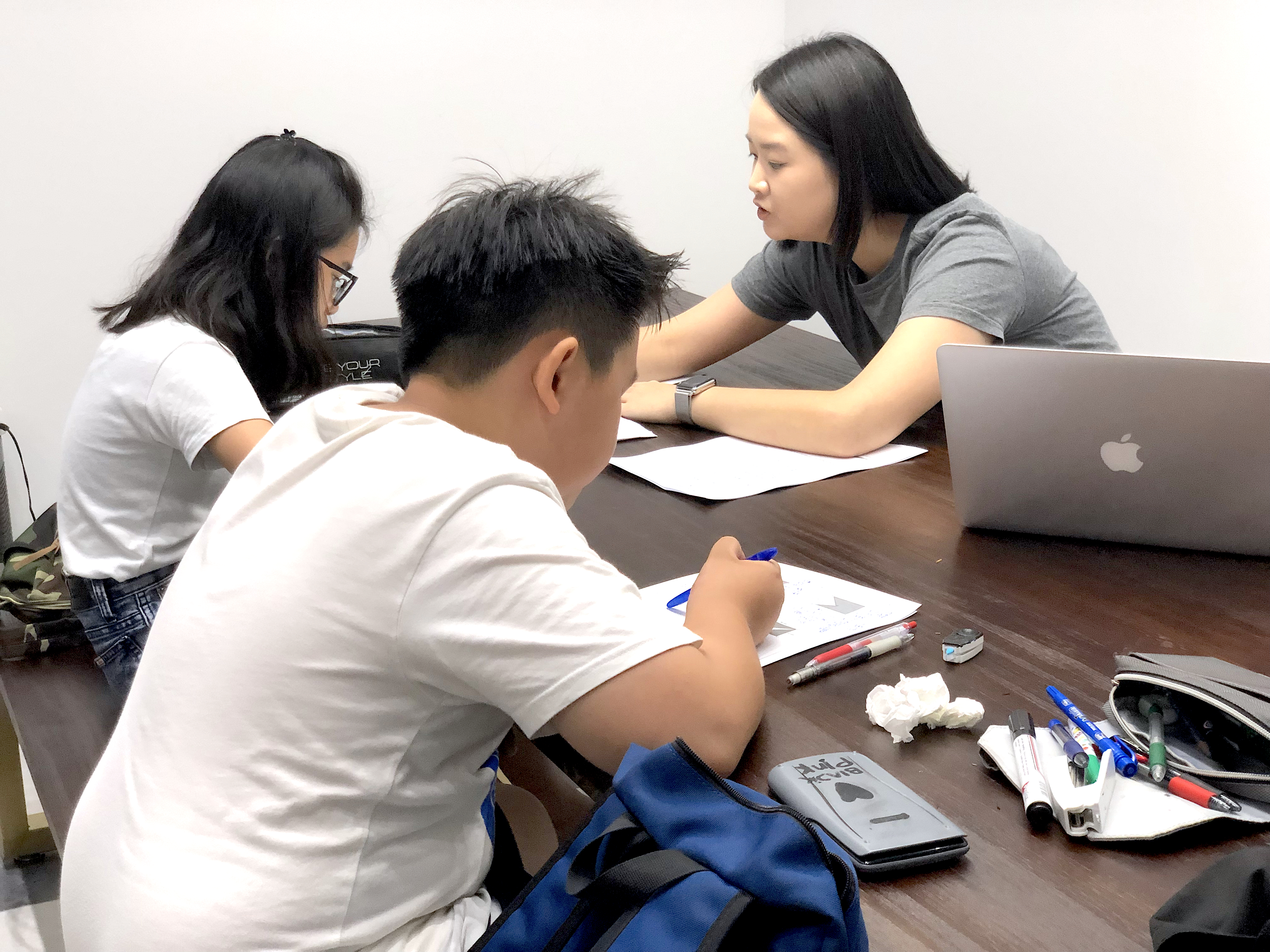
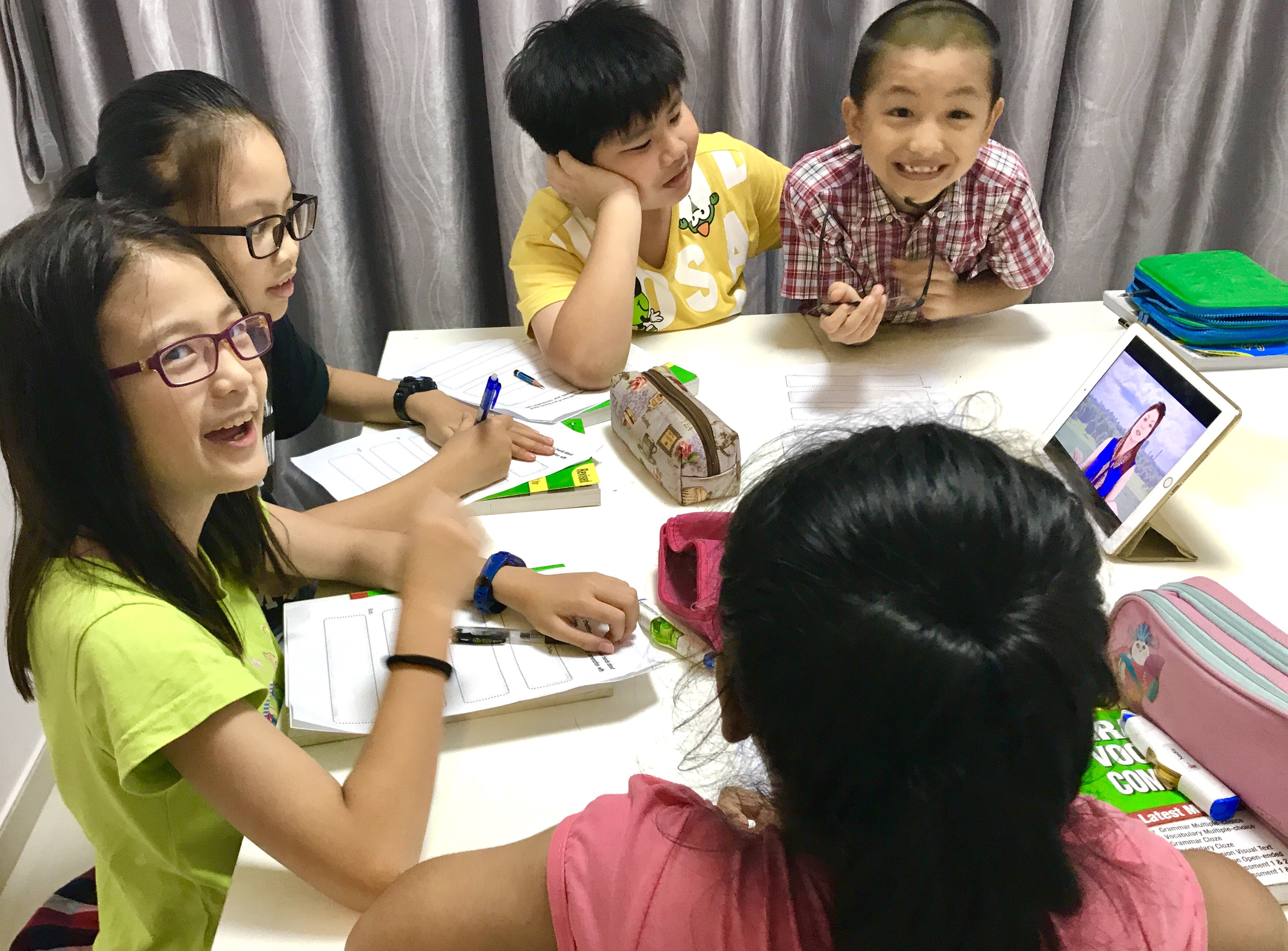
The original page’s embedded classroom images are preserved below in their original sequence as part of the eduKateYishun archive.


















Leave a Reply