
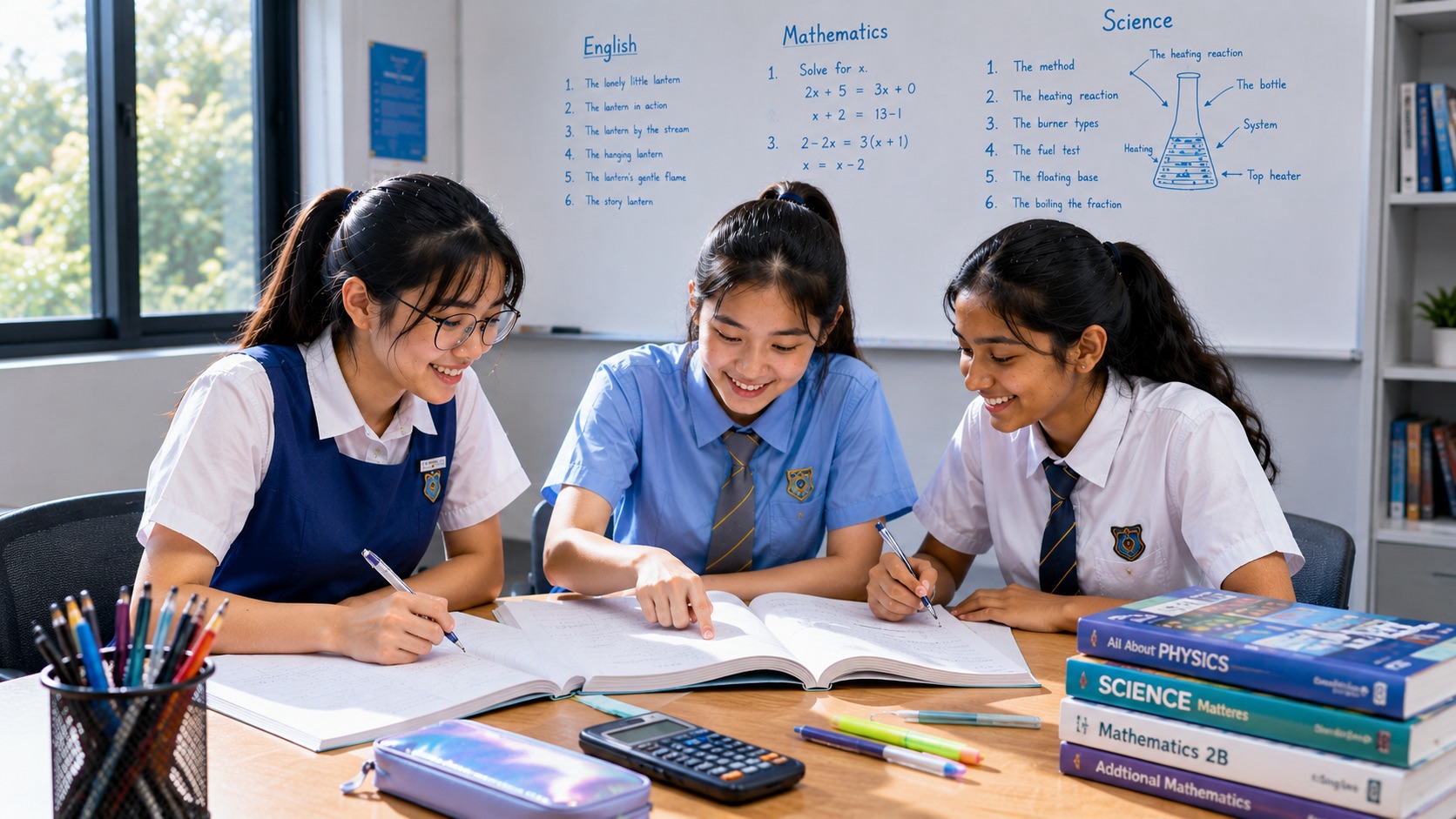
Secondary English Tuition Yishun Woodgrove Secondary School is a historical-title guide for families searching for Woodgrove Secondary School English tuition, Secondary English tuition in Yishun, English tutor support, small group tuition, comprehension, writing, vocabulary, grammar, oral communication and listening. This page is not affiliated with Woodgrove Secondary School and does not represent current school or centre arrangements. Its present role inside eduKateYishun is to examine self-checking independence: how students learn to catch their own errors before another adult points them out.
A tutor can correct work perfectly and still leave the learner dependent. The stronger outcome is an internal checking system. The useful ideas here are tuition dependency, self-directed learning, error detection, calibration, feedback loop learning, repair loop learning and transfer of learning.
The goal is not flawless work. It is a learner who increasingly notices the predictable mistakes that used to require external correction.
Checking is not the same as rereading
Students are often told to “check your work” without being taught what to look for.
A useful check targets known risks rather than scanning the page vaguely.
Build a personal error profile
One student repeatedly shifts tense. Another over-answers comprehension questions. Another forgets to explain examples.
The checklist should come from actual recurring errors, not every possible English rule.
Detection comes before correction
A learner cannot self-correct an error they cannot notice.
Move practice from teacher-highlighted errors to mixed detection and then to the student’s own writing.
Comprehension checking
Before submitting an answer, ask: did I answer the command, use relevant evidence and stay within scope?
This short routine catches many errors without rewriting the whole answer.
Writing checking
Use layers: task fit, paragraph job, explanation, sentence control, personal grammar errors.
The student should not begin with spelling if the paragraph itself is structurally wrong.
Worked self-check lab
A student has a history of tense shifts in narratives.
For several weeks, the final check includes only one explicit question: “Did the timeline change without a reason?” Once the problem stabilises, that item can be removed.
Worked comprehension lab
A learner repeatedly answers “why” questions with events rather than causes.
The personal check becomes: “Did I state the cause, not just what happened?” Over time the student begins noticing the mistake before submission.
Prompts should fade
At first the tutor may hand over a checklist. Later the student writes the checklist from memory. Eventually only the highest-risk items remain mentally active.
Support has moved inside the learner.
Small groups can strengthen self-checking
Students can compare two anonymous answers and identify which error should have been caught before submission.
The focus stays on the detection rule, not on who made the error.
A practical self-check routine
- finish the task
- check task fit first
- inspect one or two personal error patterns
- change only when evidence justifies it
- submit
- review later which errors escaped the check
Frequently asked questions
Should students check everything?
No. A long generic checklist becomes difficult to use. Prioritise recurring, expensive errors.
What if checking makes the student slower?
Use a short bounded routine. The checklist should improve net performance, not consume the whole task.
How do we know independence is growing?
The student identifies and repairs familiar errors before the tutor points them out.
Teaching Guide | Move correction inside the learner
Identify recurring errors, teach detection cues, use bounded checklists and remove items once they stabilise.
The goal is not a student who never makes mistakes. It is a learner whose own monitoring catches more of the mistakes that matter.
Explore the eduKateYishun Well Being library · Open the Recovery Atlas · Return to The Library
Historical classroom image archive
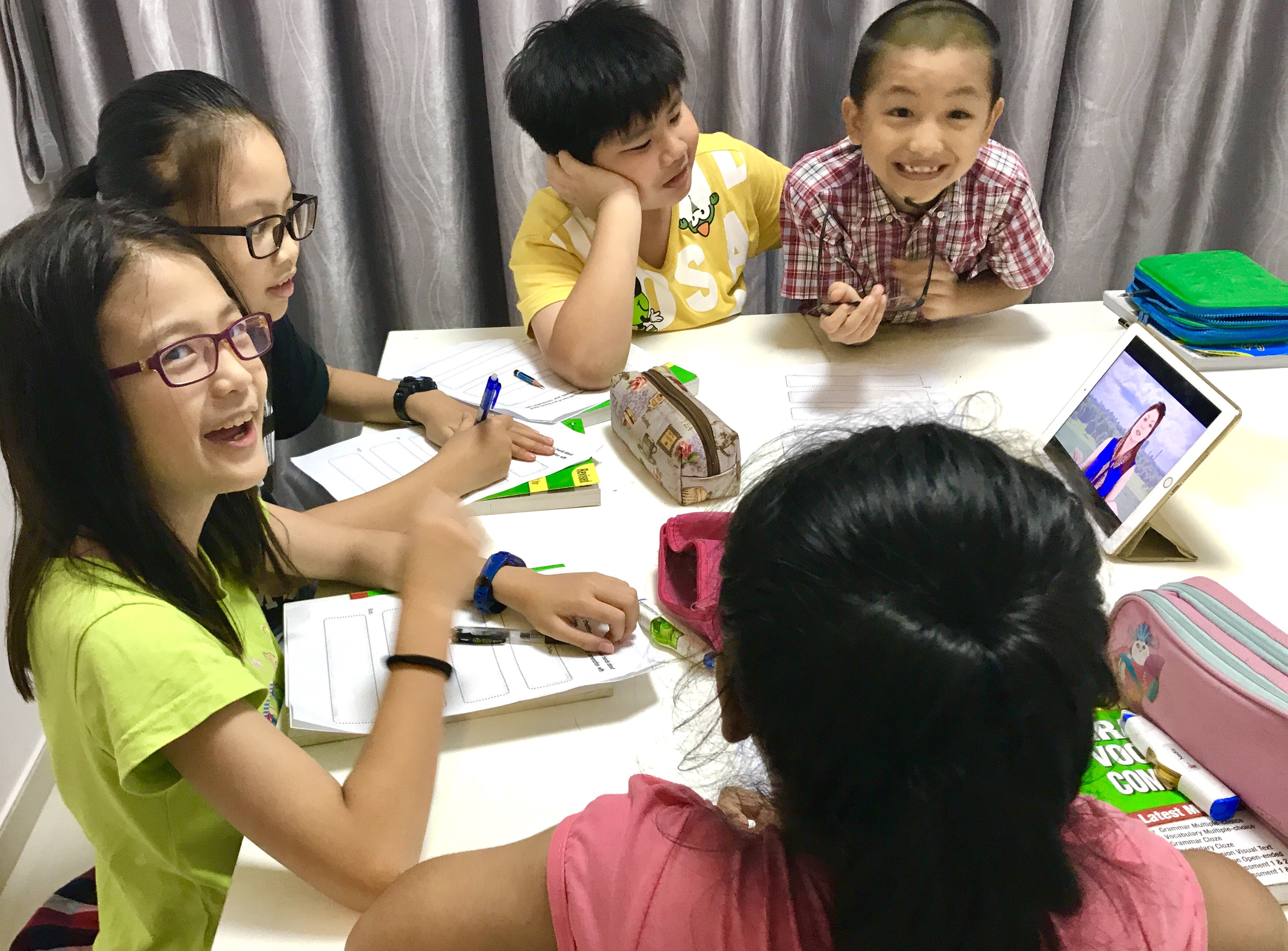
The original page’s embedded classroom images are preserved below in their original sequence as part of the eduKateYishun archive.















Leave a Reply