

Secondary English Tuition Yishun West Spring Secondary School is a historical-title guide for families searching for West Spring Secondary School English tuition, Secondary English tuition in Yishun, English tutor support, small group tuition, comprehension, writing, vocabulary, grammar, oral communication and listening. This page is not affiliated with West Spring Secondary School and does not represent current school or centre arrangements. Its present role inside eduKateYishun is to examine recovery cadence: how students return to useful learning after a demanding week, examination period or temporary dip.
A student does not need to be in crisis to need recovery. Fatigue can accumulate quietly through schoolwork, CCA, tuition, travel and repeated assessments. The useful ideas here are tuition and stress, tuition burnout signs, tuition and sleep loss, recovery, learner state, diminishing returns tuition and self-regulation.
The goal is not to remove challenge. It is to prevent challenge from becoming a system with no recovery phase.
Learning needs a return cycle
Effort is only one half of a sustainable learning system. The other half is the ability to return with enough attention to continue.
A student who is constantly carrying unfinished fatigue into the next task may spend more time working while getting less from the work.
Recovery does not mean doing nothing
Recovery can include sleep, movement, ordinary family time, reading for pleasure or simply a lower-intensity academic day.
The key is that the system reduces load enough for attention and motivation to recover.
Watch for cumulative signs
Possible warning signs include slower starts, repeated minor errors, unusually flat writing, irritability around routine work and corrections that no longer transfer.
These signs are not diagnoses. They are reasons to inspect workload before adding more.
A high-load week needs a different tuition design
When school has several assessments, tuition does not need to compete by adding another full paper.
A useful lesson may focus on one repair, one retrieval task and one short transfer check.
Sleep protects the next day’s learning
Late-night revision can create the appearance of extra effort while reducing the quality of attention the following day.
A stable stopping point can be part of examination preparation, not a retreat from it.
Worked recovery lab
A student has completed two tests, a project and CCA commitments in the same week. English homework quality drops sharply.
Instead of assigning another full essay, the tutor uses a short paragraph-revision task and delayed vocabulary retrieval, then returns to full writing the following week.
The learning continues without pretending the learner’s state has not changed.
Recovery after a poor result
A disappointing paper can create both academic and emotional load.
The first task is to separate what the paper reveals from the story the learner tells about themselves. Then choose one repair and return to normal routines.
Recovery after a strong result
Strong performance can also tempt students into unnecessary extra work because everyone wants to preserve momentum.
Sometimes the right move is to maintain a light routine rather than immediately intensify.
A practical recovery cadence
- recognise the high-load period
- reduce redundant tasks
- protect sleep and ordinary routines
- keep one or two essential learning actions
- return to fuller practice when attention recovers
- review whether the original workload was sustainable
Parents can protect recovery without lowering expectations
A parent can help by seeing the whole week, not only tonight’s unfinished task.
Clear priorities, a realistic stop time and ordinary family interaction can make the next study block more useful.
Frequently asked questions
Is recovery the same as taking a break from studying?
Not necessarily. It can mean lowering intensity while keeping a small continuity loop.
How do we know when workload is too high?
Look for persistent fatigue, poor transfer, repeated unfinished work and declining quality despite increasing hours.
Should tuition be cancelled during busy weeks?
Sometimes reduction or rescheduling can help, but the decision should depend on whether the lesson still has a clear high-value job.
Teaching Guide | Build a system that knows how to return
Keep challenge high enough to create growth, but include periods where load drops and recovery can occur.
The goal is not a student who can endure endless pressure. It is a learner who can recover, reconnect and continue with continuity intact.
Explore the eduKateYishun Well Being library · Open the Recovery Atlas · Return to The Library
Historical classroom image archive
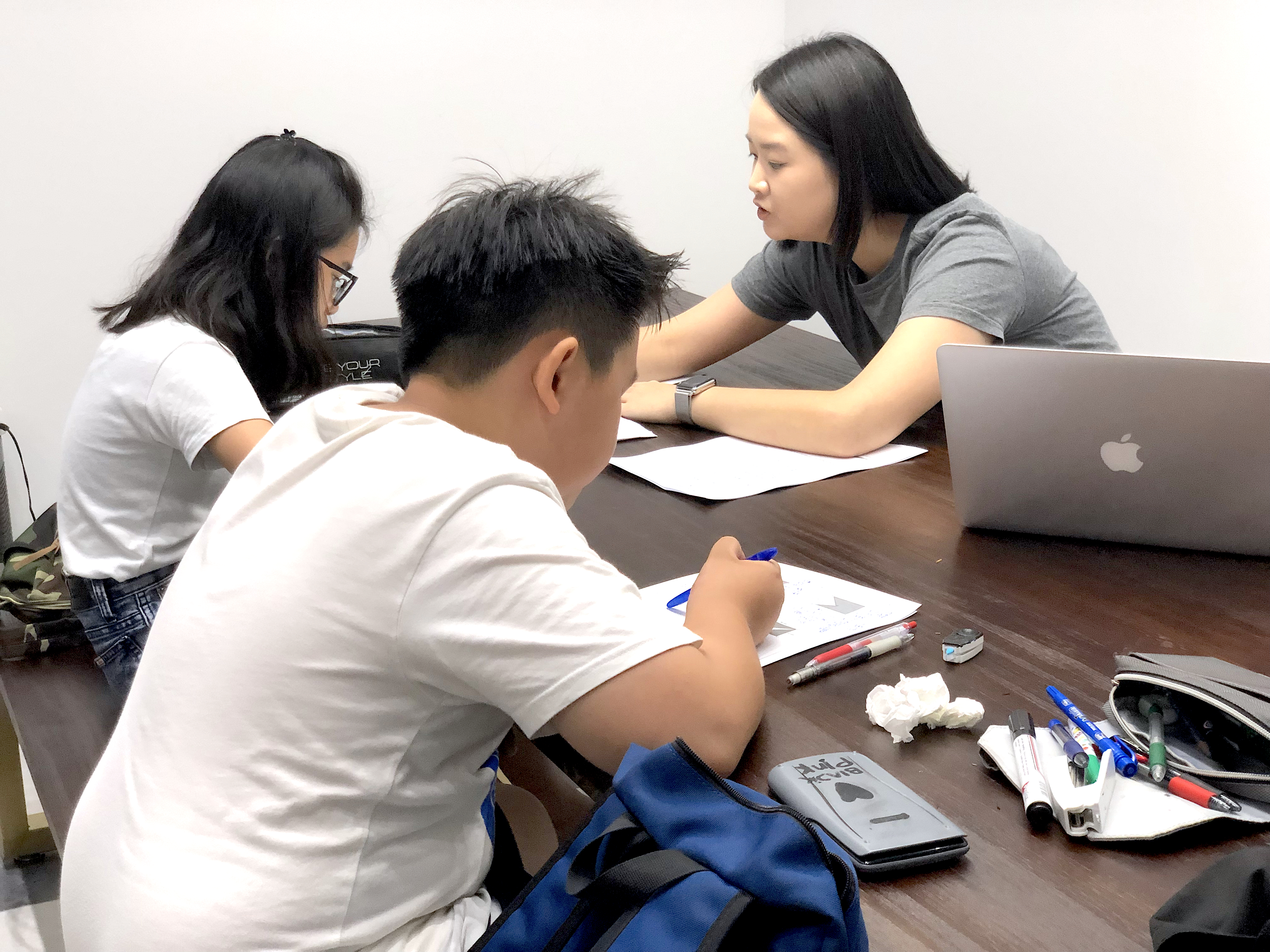
The original page’s embedded classroom images are preserved below in their original sequence as part of the eduKateYishun archive.




















Leave a Reply