

Secondary English Tuition Yishun Victoria School is a historical-title guide for families searching for Victoria School English tuition, Secondary English tuition in Yishun, English tutor support, small group tuition, comprehension, writing, vocabulary, grammar, oral communication and listening. This page is not affiliated with Victoria School and does not represent current school or centre arrangements. Its present role inside eduKateYishun is to examine productive challenge for already-strong learners.
Strong students can plateau for a simple reason: the work remains correct but no longer demands adaptation. More worksheets at the same level create volume without much new learning. The useful ideas here are tuition plateau, deliberate practice, transfer of learning, self-directed learning, calibration, challenge level and diminishing returns tuition.
The goal is not to make work harder for appearance’s sake. It is to place the learner at a frontier where existing skills must be reorganised, transferred or refined.
Strong performance can still hide a plateau
A student may score well because familiar tasks are highly practised.
The plateau appears when unfamiliar contexts, deeper qualification or independent revision expose the limits of that routine.
Challenge should target the next decision
Harder vocabulary or longer passages do not automatically create better learning.
A useful challenge changes the judgement required: compare interpretations, defend evidence, qualify claims, revise without prompts.
Transfer is a better challenge than mere difficulty
Take a skill the learner already knows and move it into a new genre, topic or context.
If the skill survives, capability is deepening. If it collapses, the learner has found a useful frontier.
Deliberate practice for strong writers
Instead of another full essay, isolate a subtle weakness: counterargument, paragraph compression, tonal control or evidence explanation.
Narrow work can be more demanding than broad repetition.
Deliberate practice for strong readers
Use texts with competing interpretations, implied assumptions or structural complexity.
Require the student to compare readings and explain why one is better supported rather than simply finding one answer.
Self-directed learning becomes the next level
A strong learner should increasingly diagnose their own work.
Ask the student to choose the most expensive weakness from a marked script and justify the next practice task.
Worked challenge lab
A student writes strong argumentative essays but relies on predictable paragraph patterns.
The tutor gives a prompt where the obvious thesis is too broad and requires a qualified position with a serious counterargument.
The challenge is not more length. It is finer judgement.
Worked reading lab
A passage supports two plausible interpretations of a character’s motive.
The student must rank the interpretations, identify evidence for each and explain what additional clue would change the judgement.
The task trains calibration rather than answer hunting.
Avoid challenge inflation
If every lesson must be harder than the last, the programme can become theatrical.
Challenge should serve a developmental frontier, not prove that tuition is advanced.
A productive challenge routine
- identify what is already stable
- choose one frontier skill
- increase variation or judgement demand
- require independent first attempt
- give precise feedback
- retest in a new context
- return control to the learner
Frequently asked questions
Do high-performing students need tuition?
Not automatically. Tuition should have a clear job. Strong students may benefit from targeted challenge, but independent learning can also be the correct next step.
How do we know work is too easy?
The learner completes it accurately with little thought, gains little new feedback and can predict the method before reading carefully.
How do we avoid burnout in strong students?
Use selective high-value challenge rather than constant volume and protect recovery outside scored work.
Teaching Guide | Challenge the judgement, not just the workload
Find the frontier where the learner must make a better decision, transfer a skill or work with greater independence. Use fewer, richer tasks when appropriate.
The goal is not a student who is always busy. It is a learner whose capability continues to deepen after correctness is already common.
Explore the eduKateYishun Well Being library · Open the Recovery Atlas · Return to The Library
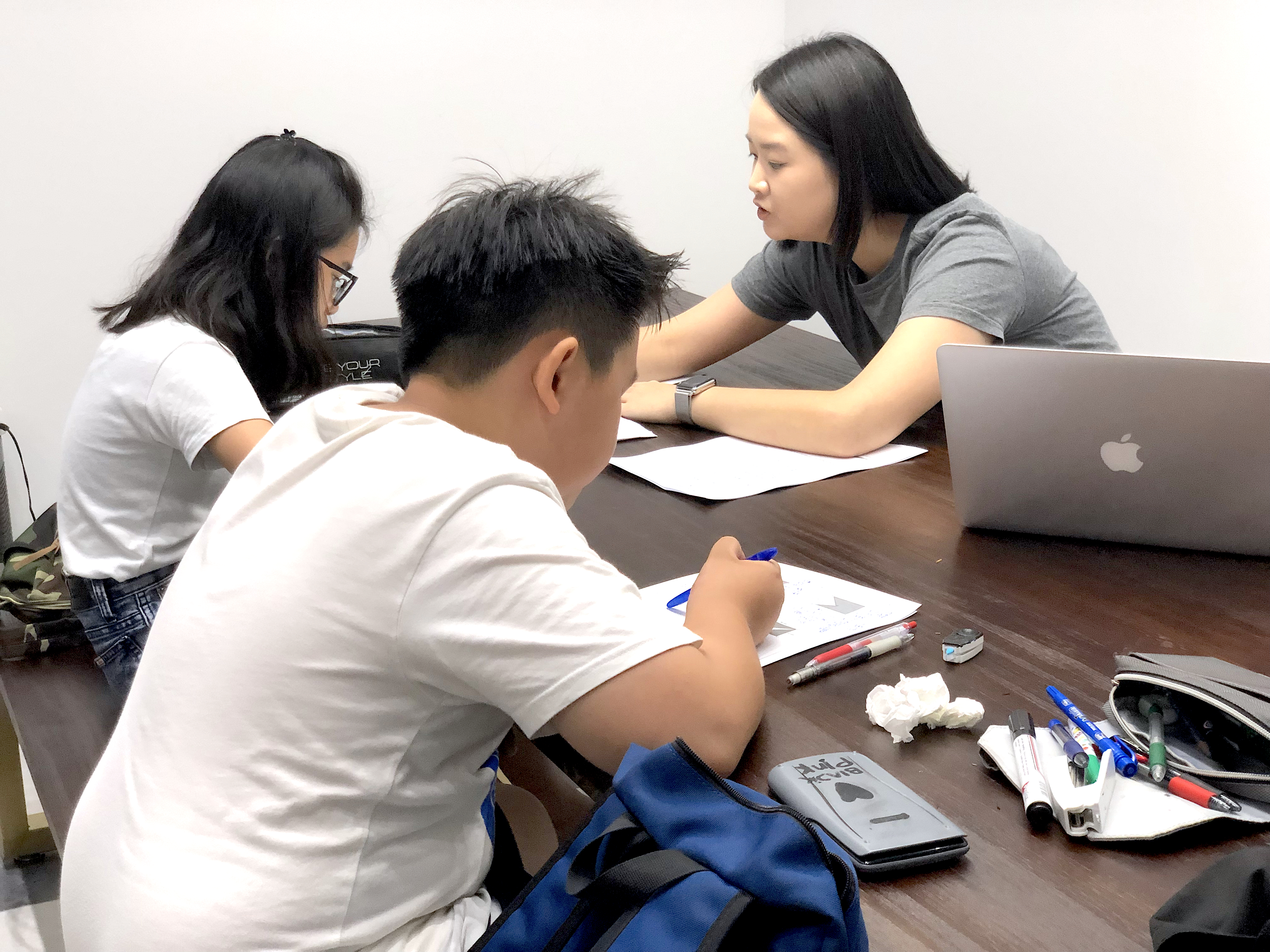
Historical classroom image archive
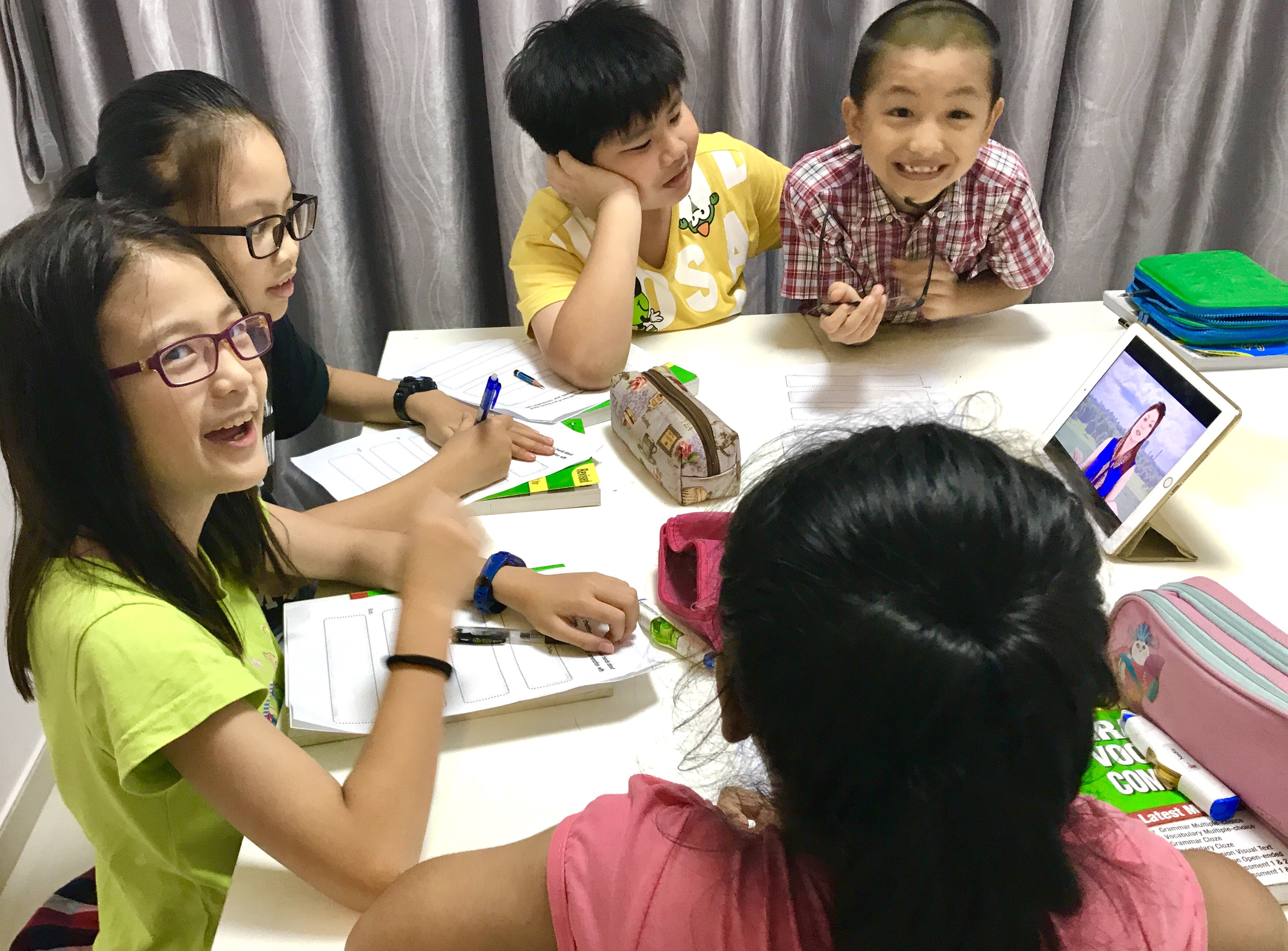
The original page’s embedded classroom images are preserved below in their original sequence as part of the eduKateYishun archive.
















Leave a Reply