

English Tuition for Punggol PSLE Small Groups is a historical-title page preserved on eduKateYishun. It does not represent a current Punggol centre location. Its present role inside eduKateYishun is to examine exam social pressure: what happens when Primary 6 learners prepare for an important examination while also hearing scores, comparisons and expectations from friends and adults.
PSLE preparation is academic, but it is also social. Students hear classmates discuss marks, schools and tuition. The useful ideas here are PSLE English preparation, peer comparison, belonging, tuition and stress, tuition for confidence, small group tuition benefits and recovery.
The goal is not to remove the examination from the year. It is to keep the learner’s sense of self larger than the score while still preparing seriously.
Exam preparation becomes heavier when comparison becomes identity
A student can use a friend’s strong result as useful information or as proof that they are falling behind.
The tutor should redirect comparison towards strategy: what method produced the stronger answer, and can that method be practised?
Small groups can reduce or amplify pressure
A small group works best when students can see that mistakes, revision and uncertainty are normal.
It becomes harmful when every task turns into a public ranking.
Marks should be translated into mechanisms
A score does not tell the student whether the problem is inference, vocabulary, writing structure, timing or checking.
Break the score open before changing the workload.
Worked comparison lab
Two pupils receive different comprehension scores. Instead of discussing who is “better at English,” compare the scripts.
One student loses marks mainly from over-answering; the other from weak inference. Their next practice should therefore be different.
Belonging before performance
A learner should not feel that family approval or place in the group depends on one result.
That security makes it easier to look honestly at errors because correction is less threatening.
A practical PSLE social-pressure routine
- name the academic target
- separate the student’s score from the student’s identity
- compare strategies rather than people
- use timed practice selectively
- protect sleep and ordinary family time
- recover after major tests
- return to the next repair
Parents can lower social noise
Avoid repeated conversations about other children’s scores unless the comparison has a clear learning purpose.
Ask what the paper revealed and what the next repair is.
Frequently asked questions
Should children know their friends’ scores?
Sometimes they will. The useful question is what they do with that information. Strategy comparison is more valuable than status comparison.
Can small groups increase anxiety?
Yes, if the culture is ranking-heavy. A well-run group should make thinking visible without turning every answer into social judgement.
How do we protect confidence?
Use evidence of specific capability and specific repair rather than generic reassurance.
Teaching Guide | Keep the exam important without making it everything
Prepare seriously, compare methods rather than identities and keep belonging separate from performance.
The goal is a learner who can face PSLE with clear routines and still leave the examination year knowing that one score did not define the whole person.
Explore the eduKateYishun Well Being library · Open the Recovery Atlas · Return to The Library
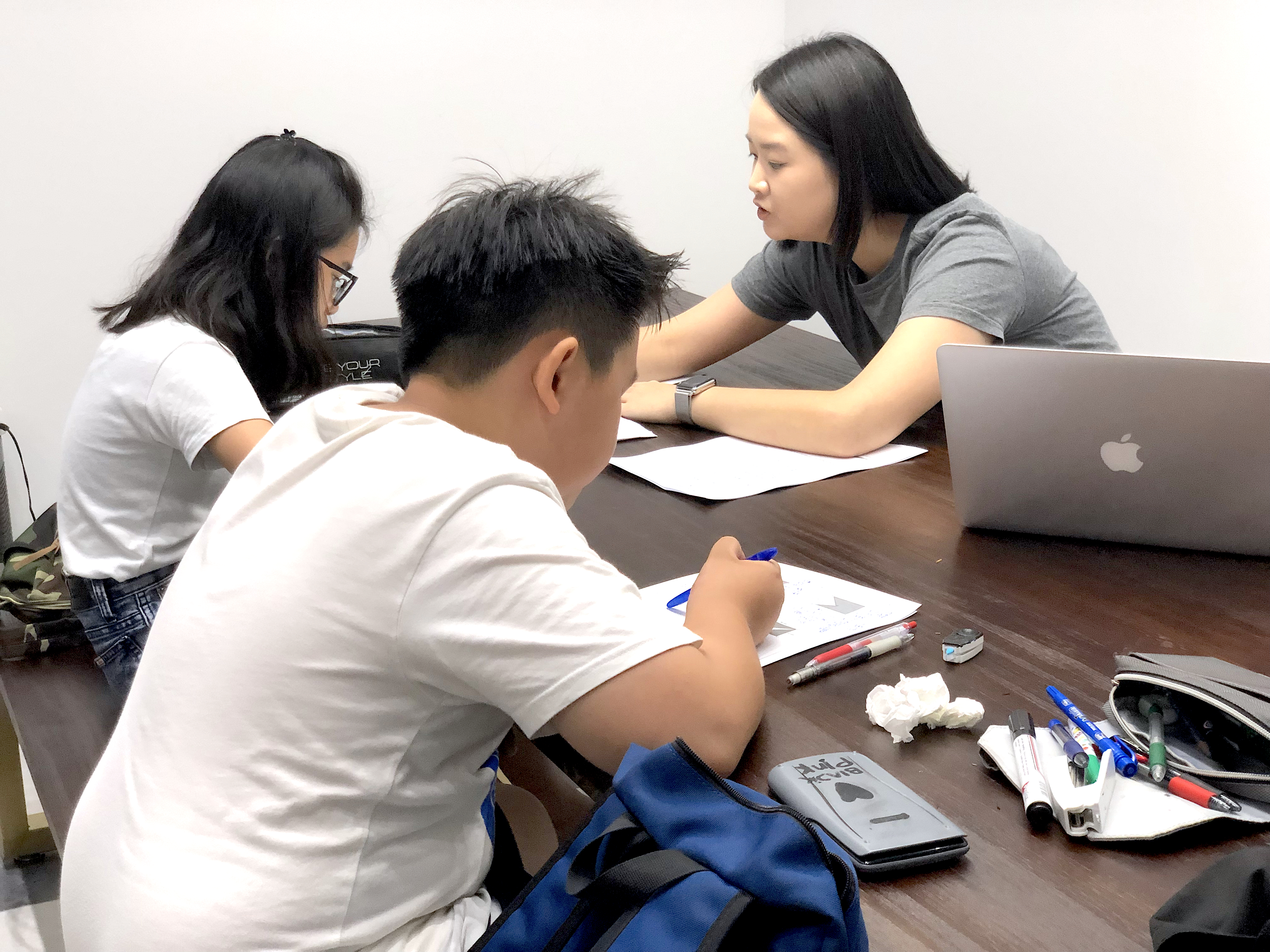
Historical classroom image archive
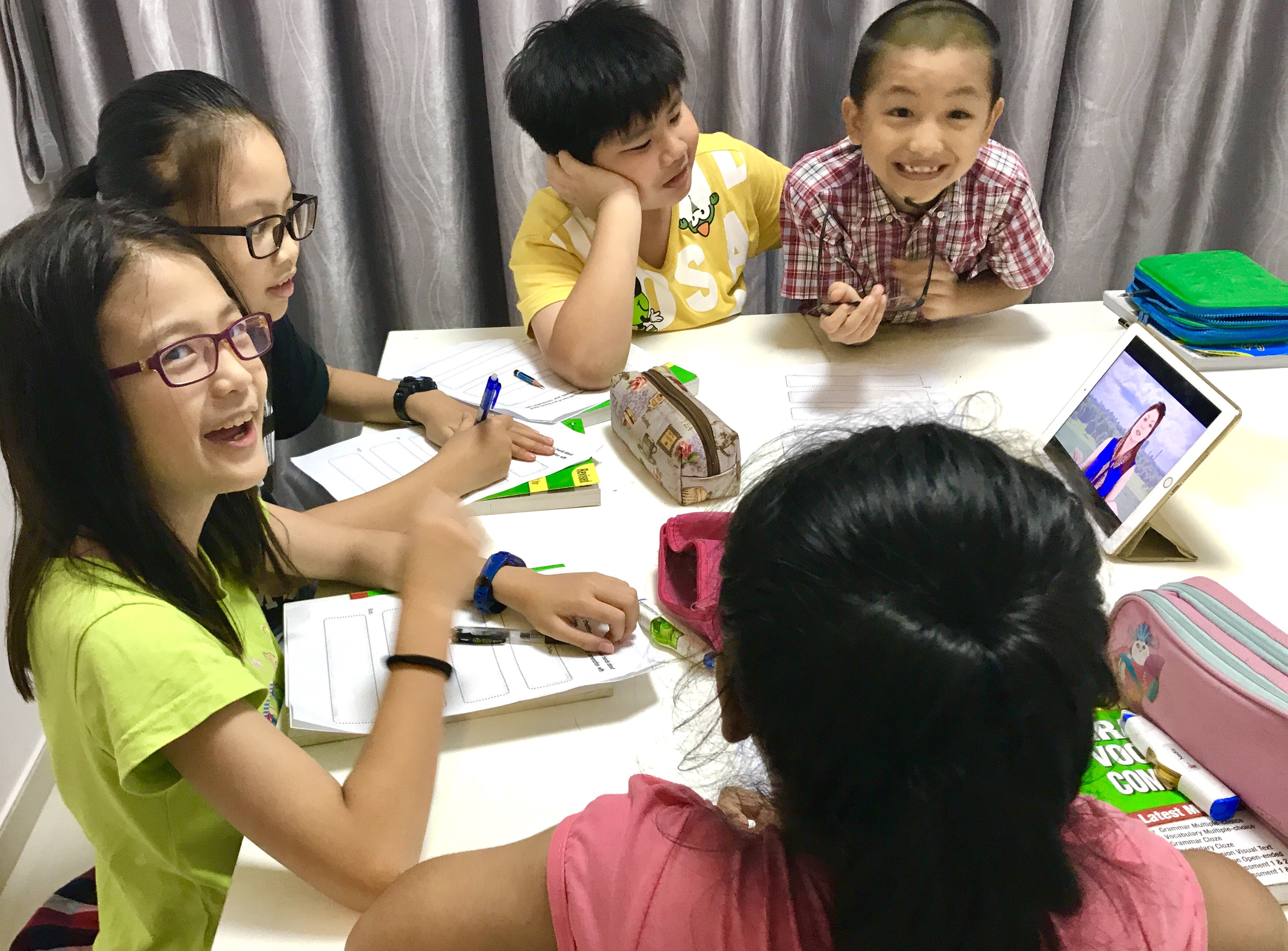
The original page’s embedded classroom images are preserved below in their original sequence as part of the eduKateYishun archive.
















Leave a Reply