

English Tuition for Clarke Quay is a historical-title page preserved on eduKateYishun. It does not represent a current Clarke Quay centre location. Its present role inside eduKateYishun is to examine attention recovery after interruption: how students return to a difficult English task after their concentration has been broken.
Real study is rarely perfectly continuous. Messages arrive, another subject interrupts, a meal starts, a family member asks a question, or the learner simply loses the thread. The useful ideas here are attention, task resumption, learner state, self-regulation, cognitive load and study continuity.
The goal is not to build an unrealistic world without interruptions. It is to give the learner a reliable way back into the task.
Interruption creates a re-entry cost
When attention breaks, the student must reconstruct what the task was, where the reasoning had reached and what the next action should be.
That reconstruction takes time and can make a short interruption much more expensive than it looks.
Leave a return marker
Before stopping, write one line: “Next: explain why the evidence supports paragraph two.”
A return marker preserves the next move and reduces the need to rebuild the whole mental state later.
Paragraph maps help reading recovery
If a long passage is interrupted, a short note beside each paragraph helps the student remember structure.
The learner can re-enter from the map instead of rereading everything from the beginning.
Writing plans protect continuity
A simple paragraph plan keeps the route visible even when drafting stops midway.
The writer can return to the next paragraph job instead of staring at the last sentence and trying to reconstruct the whole essay.
Worked interruption lab
A student is halfway through a comprehension passage when dinner interrupts the session.
Before leaving, the learner writes: “Paragraphs 1–3 establish the conflict; next paragraph explains why the speaker changes position.”
On return, the reading resumes from that structural cue instead of restarting from page one.
A practical re-entry routine
- pause at a natural boundary when possible
- write the next action
- mark the current evidence or paragraph
- return by reading the marker first
- restate the task in one sentence
- continue before reviewing everything again
Frequent interruption may be an environment problem
If the learner has to reconstruct the task every few minutes, self-regulation alone may not be enough.
Reduce avoidable notifications and competing devices during demanding work blocks.
Parents can help by respecting re-entry
After an interruption, give the child a moment to reopen the task before asking another question.
The learner may need to rebuild context before conversation becomes easy again.
Frequently asked questions
Should students always finish a task in one sitting?
No. Long work can be divided, but each stopping point should leave enough structure for an efficient return.
Why does restarting feel so hard?
The learner must rebuild task context, working memory and the next decision. A return marker reduces that load.
Is rereading useful after interruption?
Sometimes, but targeted rereading from a structural cue is usually more efficient than restarting everything.
Teaching Guide | Teach the return, not only the focus
Protect attention when possible, but also train deliberate re-entry. Use paragraph maps, visible next actions and brief restatement of the task.
The goal is a learner who can recover continuity after interruption instead of treating every broken session as a lost session.
Explore the eduKateYishun Well Being library · Open the Recovery Atlas · Return to The Library
Historical classroom image archive
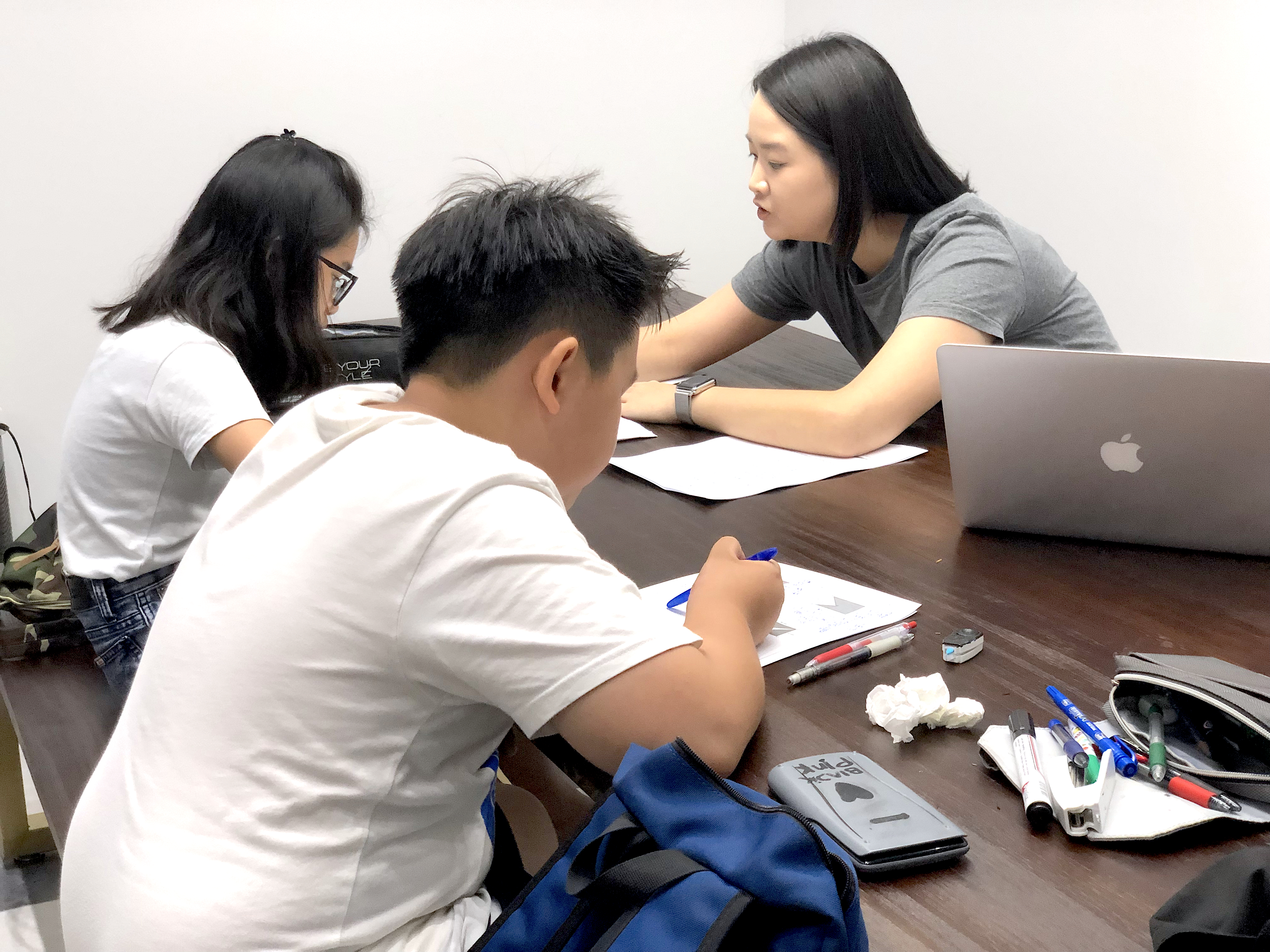
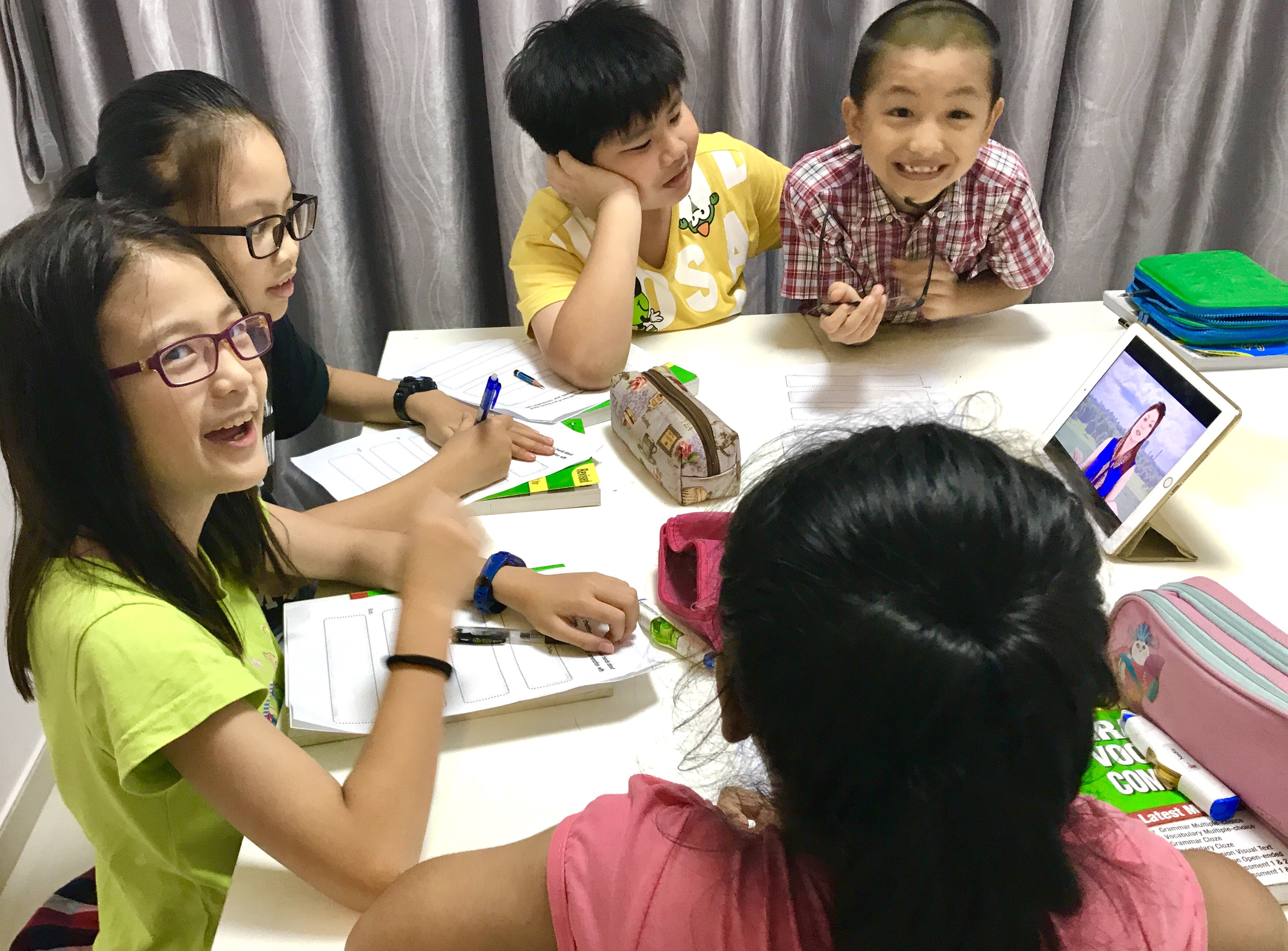
The original page’s embedded classroom images are preserved below in their original sequence as part of the eduKateYishun archive.



















Leave a Reply