

English Tuition for Chinatown is a historical-title page preserved on eduKateYishun. It does not represent a current Chinatown centre location. Its present role inside eduKateYishun is to examine language, culture and context: how meaning changes when words carry assumptions, references and histories that the reader may not immediately recognise.
English comprehension is not only decoding. Students meet idioms, cultural references, social expectations and unfamiliar contexts. The useful ideas here are contextual inference, background knowledge, vocabulary, cultural literacy, reading comprehension and transfer of learning.
The goal is not to memorise every possible reference. It is to become better at noticing when context is doing part of the meaning.
Words do not travel alone
A sentence may be grammatically simple yet difficult because the reader does not understand the situation around it.
Tone, social relationship, history and shared assumptions can change what the language means.
Background knowledge can unlock comprehension
A student who knows something about the topic can interpret reference and implication more easily.
This is one reason wide reading supports English beyond vocabulary alone.
Context can narrow unfamiliar vocabulary
Even when a word is unknown, contrast, example and surrounding events can reveal its likely meaning.
Students should learn to use local evidence before assuming the entire sentence is inaccessible.
Idioms need meaning, not literal translation
A phrase such as “break the ice” makes little sense word by word.
Teach students to ask what function the phrase performs in context rather than forcing a literal interpretation.
Worked context lab
A passage describes a family gathering where a character refuses a second serving but continues to compliment the food.
A literal reading may miss the social context. The character could be signalling politeness while setting a boundary.
The learner should distinguish what is stated from what social context suggests.
Cultural knowledge should remain evidence-bound
Background knowledge can help, but it can also create assumptions that the passage does not support.
The text remains the final authority in comprehension tasks.
A practical context routine
- identify what the sentence literally says
- notice unfamiliar references or idioms
- use nearby evidence
- consider likely social or cultural meaning
- check whether the inference fits the whole passage
- avoid importing assumptions the text cannot support
Writing also needs context
Examples become stronger when they are specific enough to make sense to the intended audience.
A writer should explain necessary context instead of assuming the reader knows every reference.
Parents can widen context through ordinary conversation
Discussing places, history, current affairs, family stories and everyday social situations gives children more material for understanding texts later.
World knowledge grows in ordinary life as well as formal study.
Frequently asked questions
Does cultural knowledge matter in English exams?
It can support understanding, but answers still need to be grounded in the actual text and task.
Should students memorise idioms?
Some familiarity helps, but the deeper skill is interpreting figurative language in context.
How can students build background knowledge?
Read widely across fiction, news, history, science and everyday explanatory writing.
Teaching Guide | Read the language and the world around it
Teach students to use both textual evidence and contextual knowledge while keeping the two distinct.
The goal is a reader who understands that language carries more than dictionary definitions, yet still knows when evidence must control interpretation.
Explore the eduKateYishun Well Being library · Open the Recovery Atlas · Return to The Library
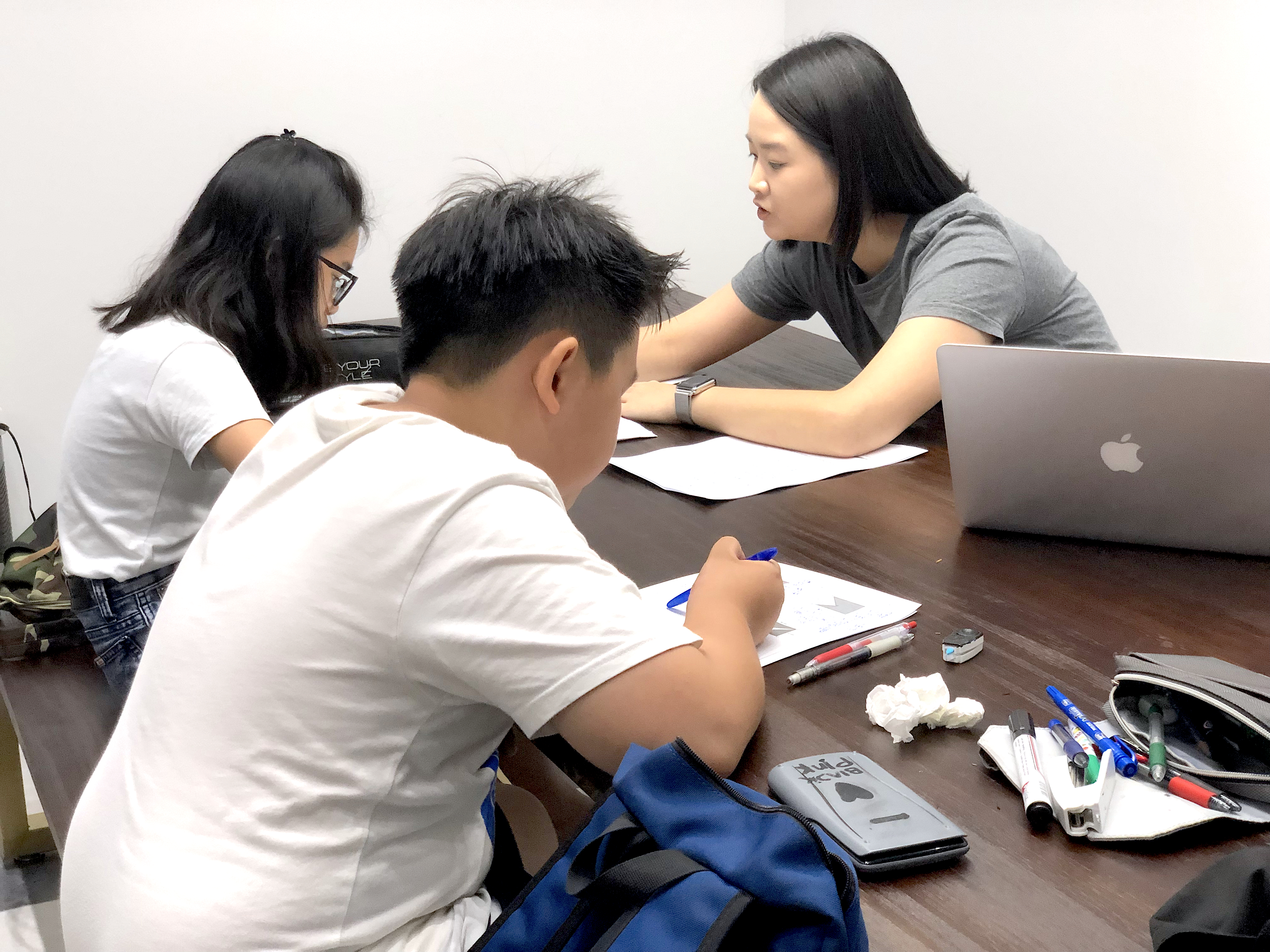
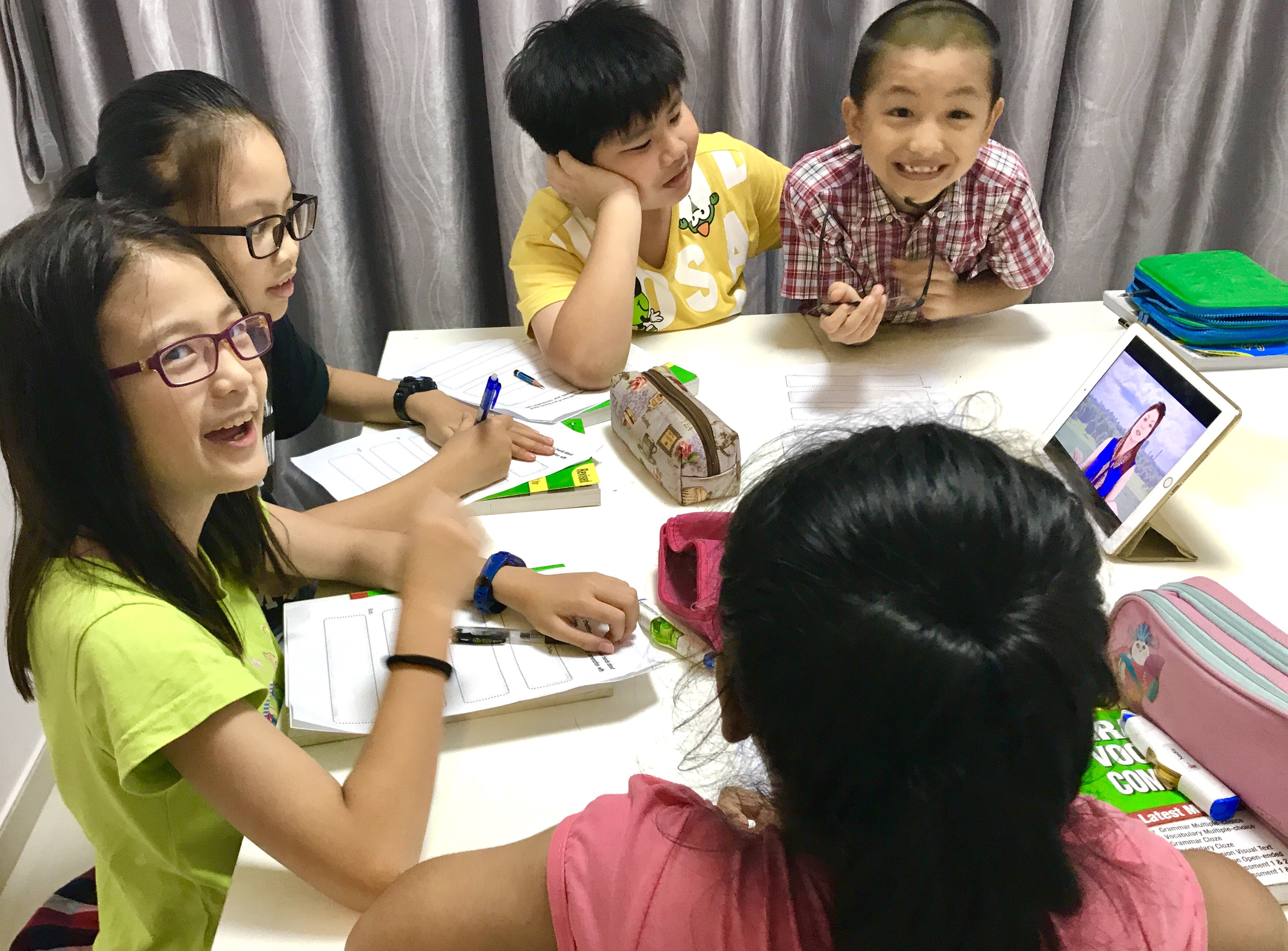
Historical classroom image archive
The original page’s embedded classroom images are preserved below in their original sequence as part of the eduKateYishun archive.



















Leave a Reply