

Secondary English Tuition Yishun Tanjong Katong Girls’ School is a historical-title guide for families searching for Tanjong Katong Girls’ School English tuition, Secondary English tuition in Yishun, English tutor support, small group tuition, comprehension, writing, vocabulary, grammar, oral communication and listening. This page is not affiliated with Tanjong Katong Girls’ School and does not represent current school or centre arrangements. Its present role inside eduKateYishun is to examine productive error tolerance: the ability to attempt, revise and keep learning without turning every mistake into a verdict.
Students who fear error can become very careful and surprisingly fragile. They avoid unfamiliar vocabulary, delay writing, change correct answers and choose safe work that hides the true learning frontier. The useful ideas here are tuition for confidence, calibration, feedback loop learning, deliberate practice, learner state and self-regulation.
The goal is not to celebrate mistakes for their own sake. It is to make mistakes informative enough that the learner can take intelligent risks and improve.
A mistake is useful only when it teaches something
Random errors are not a goal. The value lies in what the learner can infer from them.
A productive mistake exposes a misconception, weak decision or unstable skill that can now be repaired.
Fear of error narrows the learner
Students may choose only familiar vocabulary, familiar essay structures and familiar question types.
The work becomes safe but the learning frontier stops moving.
Attempt before certainty
Require a provisional answer when the learner has enough evidence to make one.
The student can revise later if new information appears. Waiting for complete certainty often prevents useful practice.
Correction should protect the next attempt
Feedback should identify what to change without making the student less willing to try again.
Specific language helps: “Your evidence is relevant; the explanation is missing” is more useful than “This is weak.”
Calibration reduces unnecessary fear
A calibrated learner knows which skills are secure and which remain fragile.
That knowledge helps the student decide when to proceed, check or seek help.
Worked vocabulary lab
A student wants to use a new word but worries it may be wrong.
The tutor asks for the intended meaning, register and collocation, then lets the learner test it in a sentence.
The word is refined through use rather than avoided.
Worked writing lab
A student spends too long perfecting the introduction.
The tutor limits the first draft to a rough thesis and paragraph route. Polishing is postponed until the structure exists.
The learner practises moving forward without perfect certainty.
Small groups can normalise revision
When students see peers change answers and improve drafts, revision becomes ordinary rather than embarrassing.
The tutor should keep the focus on what changed between attempts.
A practical error-tolerance routine
- make a genuine first attempt
- mark uncertainty
- receive specific feedback
- repair the mechanism
- retest after delay
- notice what improved
- carry the lesson into a fresh task
Parents can praise recovery rather than flawlessness
Notice when the child revises intelligently, asks a precise question or corrects a recurring error independently.
This reinforces adaptability rather than the belief that strong students never need correction.
Frequently asked questions
Should students be encouraged to guess?
Not randomly. A provisional answer is useful when it is based on evidence and remains open to revision.
Can too much correction reduce confidence?
Yes, especially when feedback is broad, excessive or identity-based. Prioritised actionable feedback is more useful.
How do we know error tolerance is improving?
The learner begins unfamiliar tasks more readily, asks better questions and recovers faster after correction.
Teaching Guide | Make mistakes survivable and informative
Set high standards, but separate first attempts from final quality. Use precise feedback, delayed retests and fresh transfer tasks.
The goal is a learner who can risk being temporarily wrong because they know how to repair the result.
Explore the eduKateYishun Well Being library · Open the Recovery Atlas · Return to The Library
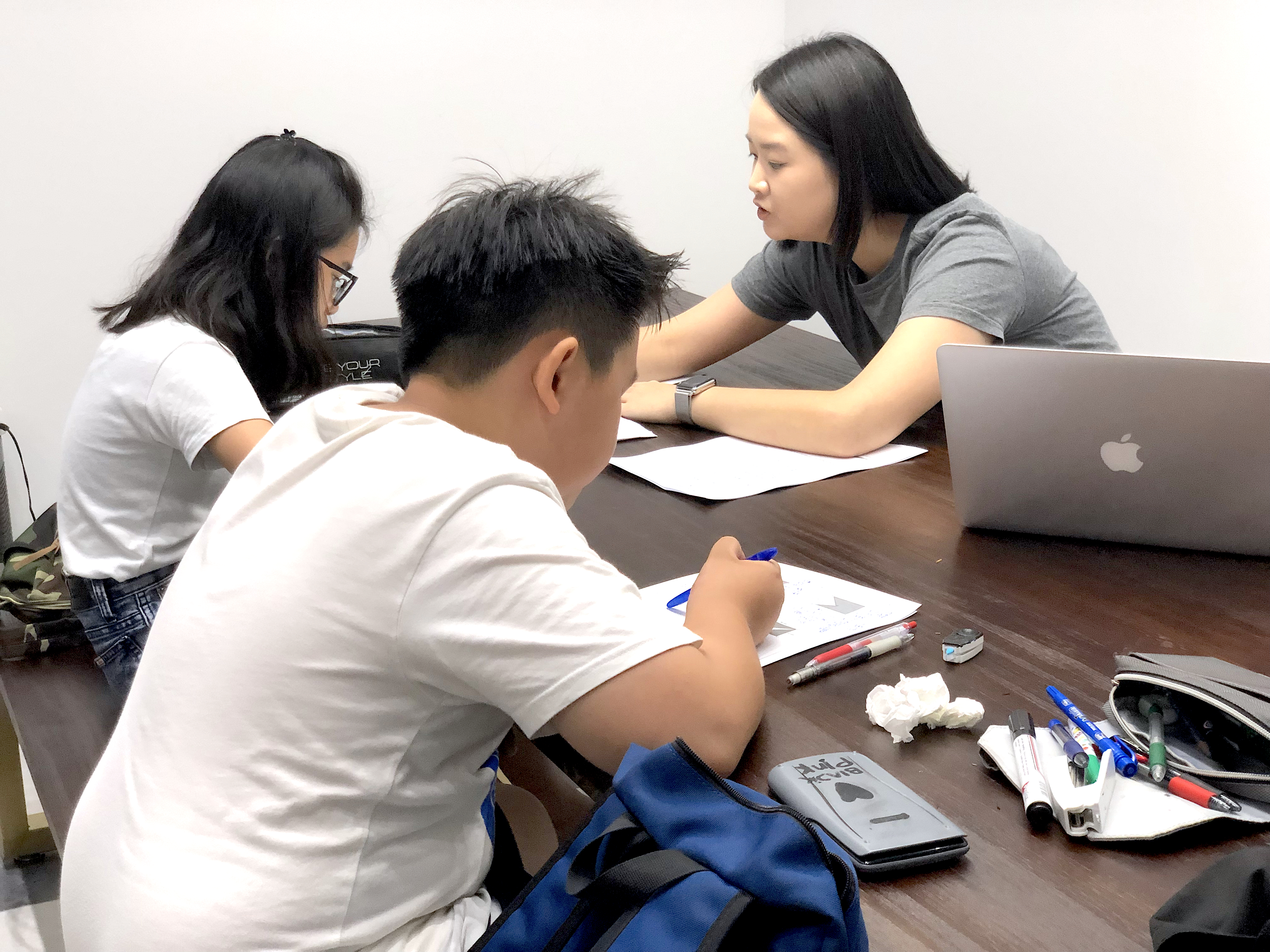
Historical classroom image archive
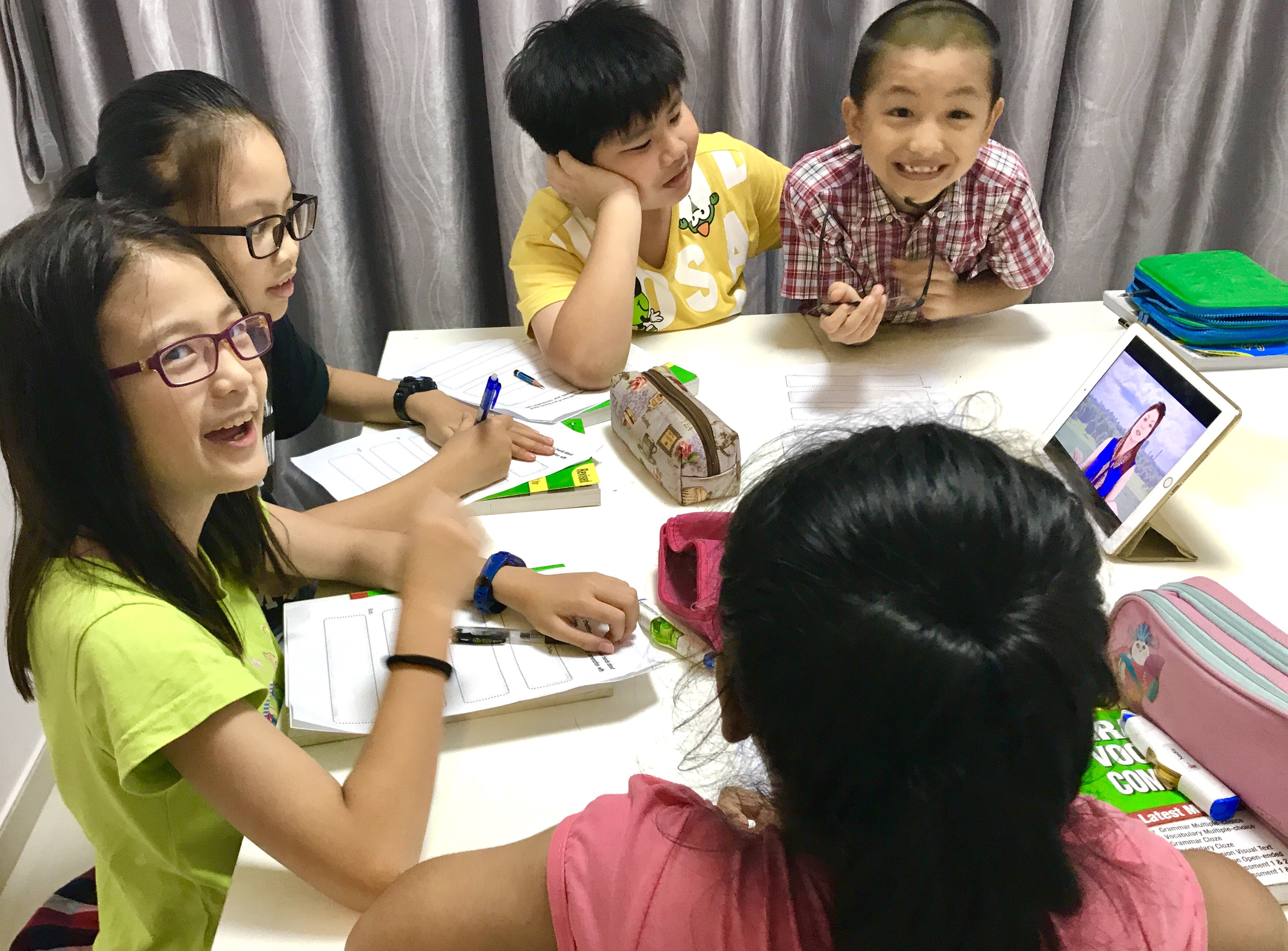
The original page’s embedded classroom images are preserved below in their original sequence as part of the eduKateYishun archive.














Leave a Reply